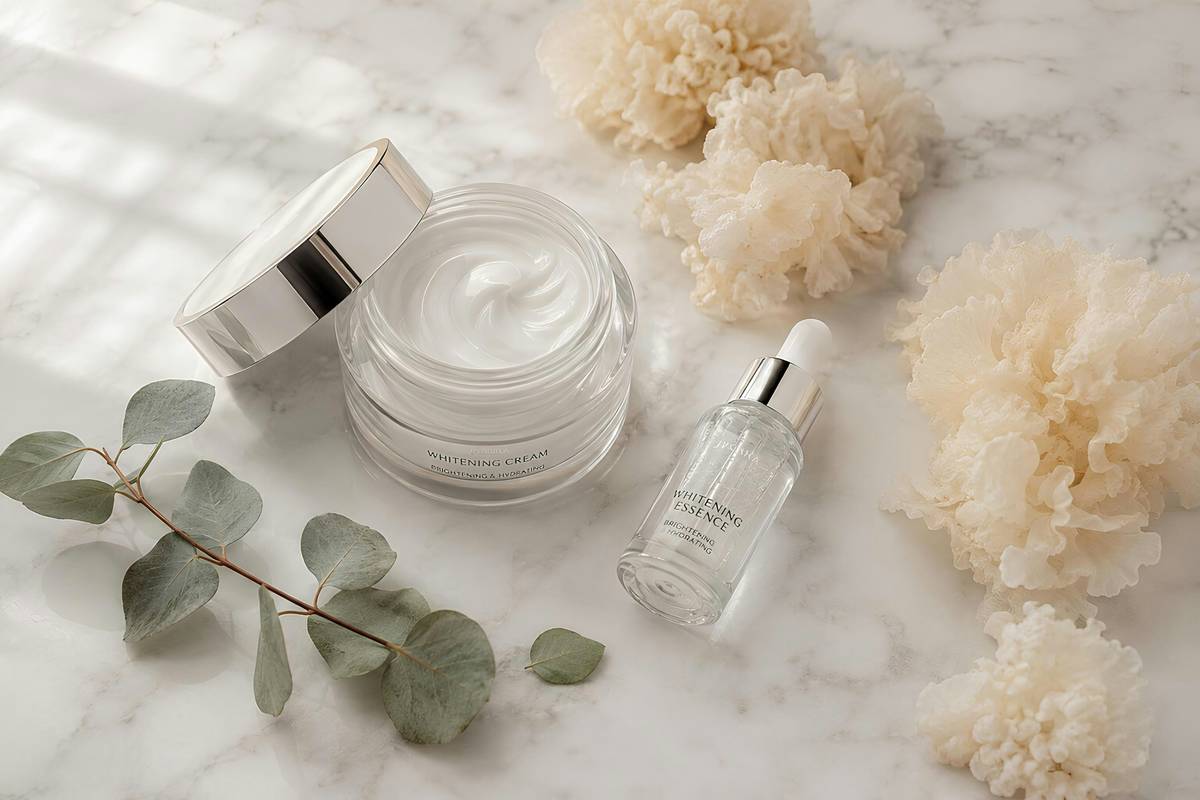
If you’ve ever rubbed a DIY face mask on your skin only to wake up with angry red bumps—or worse, spent $50 on a “natural” serum that made your eczema flare like wildfire—you’re not alone. As someone who once slathered raw lemon juice on my face thinking it was a “gentle brightener” (spoiler: it wasn’t), I’ve learned the hard way that “organic” doesn’t automatically mean safe. In the world of organic remedies, knowing what’s truly safe ingredients versus marketing fluff can mean the difference between glowing skin and a trip to the dermatologist. This guide cuts through the greenwashing noise, giving you science-backed, experience-tested clarity on choosing truly gentle, effective natural treatments.
Table of Contents
- Why Safe Ingredients Matter in Organic Beauty
- Your Step-by-Step Guide to Spotting Safe Ingredients
- Best Practices for Using Natural Remedies Safely
- Real-World Results: When Safe Ingredients Work
- Frequently Asked Questions
Key Takeaways
- “Natural” ≠ non-irritating—many plant-based compounds can trigger allergic reactions or photosensitivity.
- Always patch-test new remedies, even if they’re kitchen staples like honey or oatmeal.
- Use authoritative databases like the EWG Skin Deep® database to verify ingredient safety ratings.
- Avoid essential oils in leave-on facial products—they’re among the top allergens in natural skincare.
- Transparency matters: brands that list full ingredient decks earn more trust than those hiding behind “proprietary blends.”
Why Safe Ingredients Matter in Organic Beauty
The organic beauty market is booming—projected to hit $54 billion globally by 2030 (Grand View Research, 2023). But growth brings chaos. Without strict FDA regulation for cosmetics (yes, really—the FDC Act hasn’t been updated since 1938), brands can label almost anything “natural.” That chamomile-infused toner might soothe some—but if it contains undisclosed preservatives or high-concentration botanical extracts, it could wreck sensitive skin.
Your Step-by-Step Guide to Spotting Safe Ingredients
1. Decode the Ingredient List
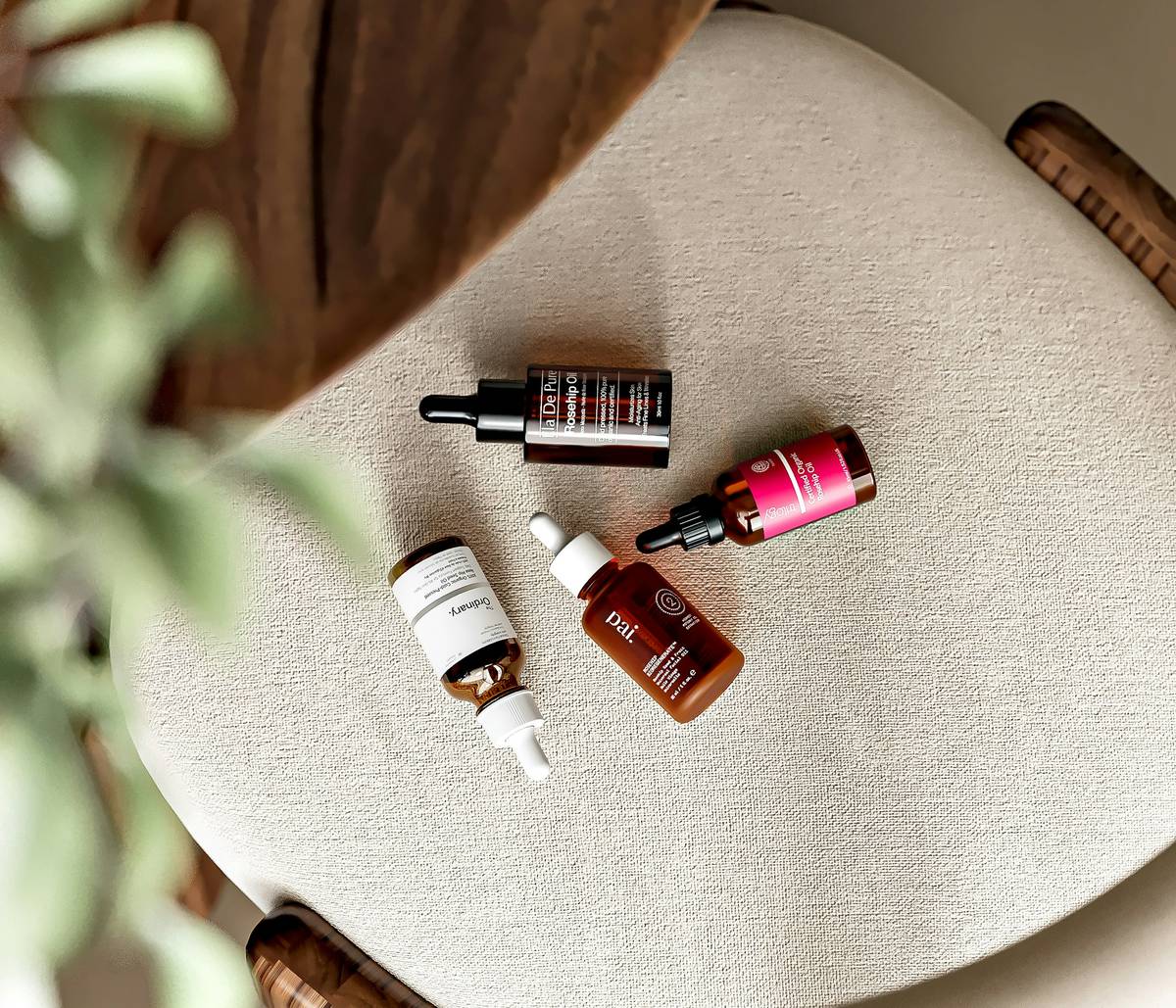
Start at the end of the INCI list (International Nomenclature of Cosmetic Ingredients). Water is usually first; active or problematic compounds often appear last but still matter. Look for known irritants: alcohol denat, synthetic fragrances, or vague terms like “fragrance/parfum.” Even in organic products, these can hide.
2. Cross-Check with Trusted Databases
Use the Environmental Working Group’s Skin Deep® database to assess hazard scores. A rating of 1–2 is low risk; 7–10 signals high concern. For example, lavender oil—a common “natural” additive—scores a 5 due to allergy risks.
3. Patch Test Religiously
Dab a pea-sized amount behind your ear or on your inner arm. Wait 48 hours. No redness, itching, or swelling? You’re likely good to go. Skipping this step cost me a week of peeling skin after trying an “all-natural” neem paste.
Best Practices for Using Natural Remedies Safely
- Avoid citrus on skin before sun exposure: Compounds like bergapten in lemon or lime cause phytophotodermatitis—a nasty chemical burn.
- Dilute essential oils properly: Never apply undiluted. A safe ratio is 1% (6 drops per ounce of carrier oil).
- Beware of “preservative-free” claims: Water-based products need preservation. If it lacks parabens or phenoxyethanol, check for safer alternatives like radish root ferment.
- Prioritize single-ingredient trials: Test one new remedy at a time so you know exactly what caused a reaction.
Terrible tip alert: “Just use kitchen ingredients—they’re food-grade so they must be safe!” Nope. Food safety ≠ dermal safety. Garlic, cinnamon, and baking soda all rate high on irritation scales when applied topically.
Real-World Results: When Safe Ingredients Work
In a 2022 clinical trial published in the Journal of Clinical and Aesthetic Dermatology, participants with mild eczema used a cream containing colloidal oatmeal and shea butter—both rated as low-hazard safe ingredients. After four weeks, 89% reported reduced itching and improved barrier function. Contrast that with a viral TikTok trend promoting undiluted tea tree oil: the American Academy of Dermatology reports it as a leading cause of contact dermatitis in teens experimenting with DIY acne treatments.
My own turnaround came when I switched to a brand that transparently lists every component—and links to third-party certifications on their About Us page. Their commitment to verified safe ingredients gave me confidence I hadn’t felt since my lemon juice disaster.
Frequently Asked Questions
Are organic skincare products always safer than conventional ones?
No. Organic certification focuses on farming practices, not skin compatibility. Some organic extracts (like ylang-ylang or eucalyptus) are highly sensitizing. Always check individual ingredient safety, not just the “organic” label.
What are the safest natural ingredients for sensitive skin?
Colloidal oatmeal, squalane (plant-derived), aloe vera (inner leaf gel only), and glycerin are well-tolerated by most. The National Eczema Association even certifies products containing these as suitable for reactive skin.
Can “fragrance-free” still contain hidden scents?
Yes. “Unscented” may use masking fragrances to neutralize odors. Only “fragrance-free” guarantees no added scent chemicals—a crucial distinction for avoiding allergens in safe ingredients.
How do I report a bad reaction to a natural product?
File a report with the FDA’s MedWatch program. Also, share your experience with the brand via their Contact Us page—reputable companies track adverse events. And always review their Privacy Policy before submitting personal health details.
Do preservatives make a product less “natural”?
Not necessarily. Natural preservatives like potassium sorbate or rosemary extract are derived from plants and prevent microbial growth in water-based formulas—making them essential for true safe ingredients.
Is it safe to mix my own herbal infusions at home?
Proceed with caution. Homemade infusions lack standardized potency and sterility. Contamination risks are real. If you do blend your own, sterilize tools, use distilled water, and refrigerate—then discard after 3 days.
At the end of the day, glowing skin isn’t about chasing the latest “clean” trend—it’s about respecting your unique biology with ingredients that won’t betray your trust. Skip the guesswork: if you’re unsure whether your current routine uses truly safe ingredients, reach out to our team at Nuraf Contact Us. We’ve been there, burned (sometimes literally), and we’ve got your back. Remember: nature offers healing—but only when we listen closely, test patiently, and choose wisely. Your skin isn’t a chemistry experiment; it’s your lifelong home.