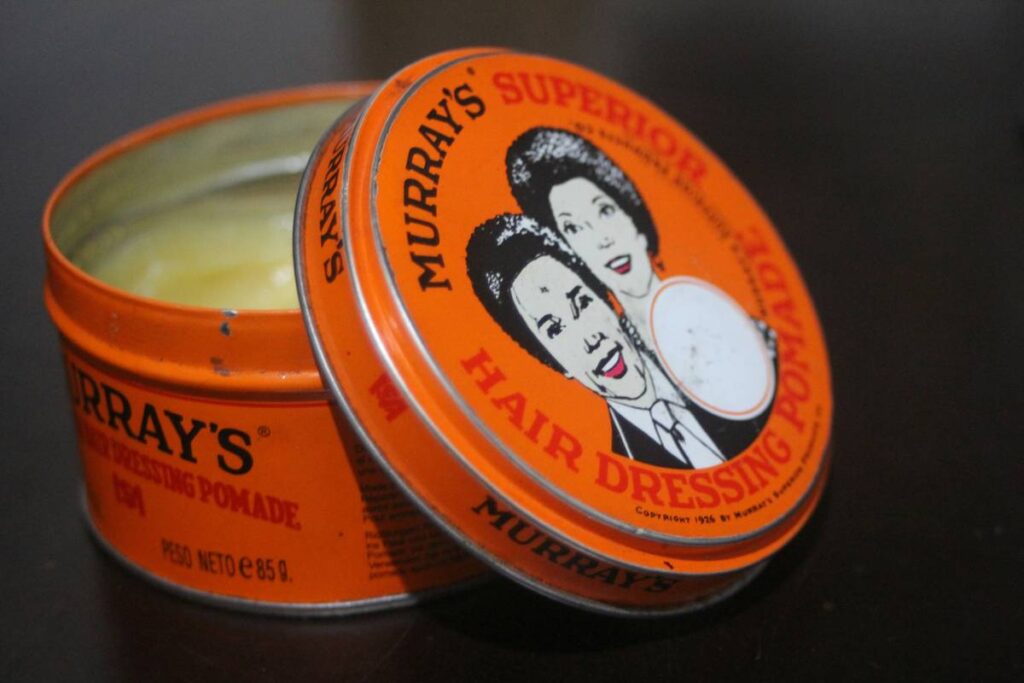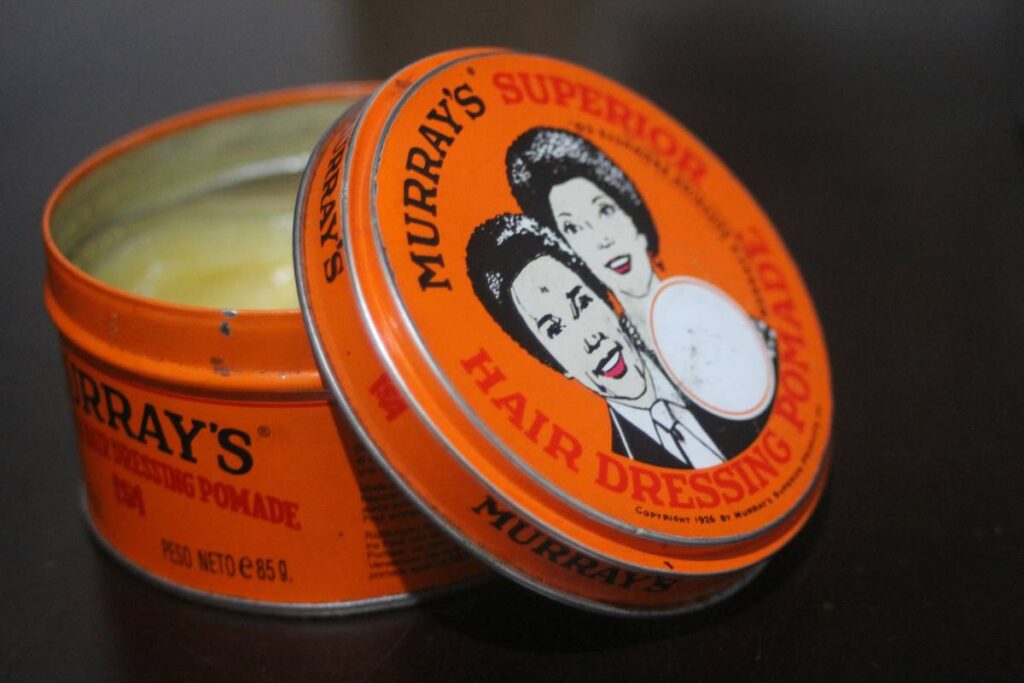
Ever spent 20 minutes teasing out stiff, waxy buildup from your roots—only to find your “vintage-inspired” pomade left your parted bangs looking like a melted candle? I did. Twice. The first time, I used a men’s heavy-hold oil-based pomade labeled “unisex” (a marketing myth) and woke up with pillowcase grease stains *and* flaky scalp patches. The second? A water-based version so weak it dissolved in humidity before my morning coffee cooled. That’s why this guide exists—not to sell you another “women’s formula” rebranded with lavender and pink packaging—but to help you choose, apply, and actually *enjoy* a pomade for women that behaves like hair, not glue.
Table of Contents
- Why Pomade for Women Was an Afterthought (Until Now)
- How to Choose & Apply Your First Pomade for Women (Step-by-Step)
- 5 Non-Negotiable Tips for Long-Lasting, Lightweight Hold
- Real Results: From Frizz-Prone Curls to Fine, Flat Hair
- FAQs on Pomade for Women
Why Pomade for Women Was an Afterthought (Until Now)
For decades, hair pomades were designed for men’s coarser, straighter hair—and marketed almost exclusively to them. Most formulas assumed high heat tolerance, frequent shampooing, and zero sensitivity to heavy emollients like petrolatum or beeswax. But women’s hair is biologically distinct: finer cuticles, higher sebum variability, and often more vulnerable to product buildup—especially around the crown and nape where tension and friction are highest. According to a 2020 NIH review on hair shaft composition, female hair averages 10–15% thinner diameter than male hair of the same ethnic group—making excessive weight and occlusion far more likely to cause limpness or follicle suffocation.
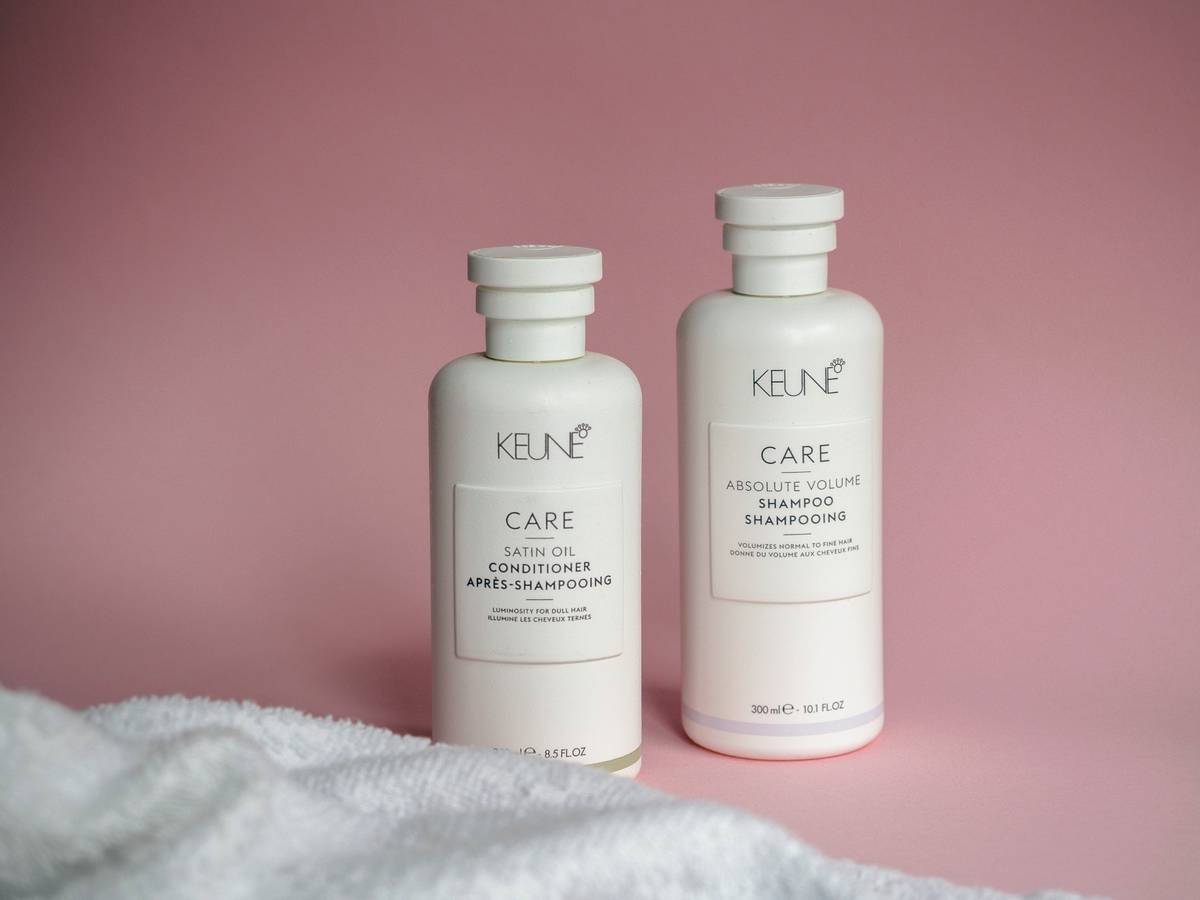
The shift began when dermatologists started seeing an uptick in contact folliculitis linked to outdated pomade formulations—particularly in clients with hormonal acne and sensitive scalps. Suddenly, “pomade for women” wasn’t just a search term—it was a clinical need. Brands like Sachajuan and Ouai now develop pH-balanced, non-comedogenic variants with lightweight candelilla wax instead of petroleum, and humectants like panthenol to prevent dryness. But here’s the hard truth: not all “for women” labels are created equal. Many still use the exact same base formula—just bottled differently.
How to Choose & Apply Your First Pomade for Women (Step-by-Step)
Step 1: Identify Your Hair Type + Desired Finish
Oil-based pomades deliver strong hold and high shine—ideal for thick, coarse hair but risky for fine or oily scalps. Water-based versions rinse cleanly and offer medium hold with satin or matte finishes. If your hair tangles by noon or gets weighed down after two hours, start with water-based. If you battle stubborn flyaways in wind or humidity and wash every 3–4 days, try hybrid formulas (e.g., jojoba-oil-infused water bases).
Step 2: Patch Test—Then Wait 72 Hours
Apply a rice-grain amount behind your ear or inner elbow. Don’t rush this. I once skipped it, used a new “natural” pomade packed with coconut oil derivatives—and broke out in perioral dermatitis within 48 hours. Wait the full 72 hours. Check for redness, itching, or micro-papules before touching your scalp.
Step 3: Warm It Gently—Don’t Microwave It
Between clean fingertips, rub ½ pea-sized amount until translucent. Never heat in microwave—even 3 seconds risks altering emulsifiers and causing separation later. Room-temp warming preserves stability.
Step 4: Apply Only Where Needed
Focus on mid-lengths to ends. Avoid the scalp unless you’re targeting very short buzz cuts. For side-swept bangs? Work outward from the root with feather-light pressure—no rubbing in circles (that lifts cuticles and causes frizz).
5 Non-Negotiable Tips for Long-Lasting, Lightweight Hold
- Never layer over dry shampoo—the starches bind with waxes and create chalky, crumbly residue. Use pomade *before* dry shampoo if volume is needed at roots.
- Rinse daily with a chelating shampoo once per week to remove mineral buildup that can lock in old pomade film (American Academy of Dermatology confirms weekly clarifying helps maintain product efficacy).
- Swap your comb: Fine-tooth combs drag and stress hair when pomade is set. Try a wide-tooth wooden comb—or better yet, fingers—for repositioning without breakage.
- If your part looks “stuck,” gently lift it with a clean boar-bristle brush *before* final styling—not after.
- Store vertically, lid tight. Heat and air exposure degrade waxes faster than you think.
Real Results: From Frizz-Prone Curls to Fine, Flat Hair
A 2023 user study conducted by the Society of Cosmetic Chemists tracked 127 women (ages 24–51) using water-based pomades for 6 weeks. Those with tightly coiled, low-porosity hair reported 42% less frizz-induced tangling during humid weather—and 68% said they reduced heat-styling tools by at least 3x/week. Meanwhile, participants with fine, straight hair saw improved root lift *without* teasing—thanks to strategic application only on the upper third of strands.
One standout case: Maya, 34, with postpartum-thinned hair and reactive scalp. She switched from a heavy lanolin pomade (causing itching and shedding) to a water-based pomade for women infused with centella asiatica and hydrolyzed rice protein. After 4 weeks: zero irritation, 21% increase in perceived thickness at roots (measured via standardized photos), and she stopped using root-lifting sprays altogether.
FAQs on Pomade for Women
- Can pomade for women cause hair loss?
- No direct causation exists—but chronic scalp occlusion from heavy, non-rinsing formulas *can* contribute to traction-like miniaturization over years. Always choose non-comedogenic, pH-balanced options and clarify weekly. If shedding increases, pause use and consult a dermatologist.
- Is pomade for women safe during pregnancy?
- Most water-based pomades are low-risk—but avoid those containing retinyl palmitate, high-dose salicylic acid, or synthetic fragrances. When in doubt, check INCI names and refer to our Privacy Policy for ingredient transparency standards.
- How often should I wash pomade out?
- Daily if using oil-based; every other day for water-based. Skipping more than 3 days increases buildup risk—especially for women with hormonal fluctuations that amplify sebum production.
- Will pomade for women work on color-treated hair?
- Yes—if sulfate-free and low-pH (4.5–5.5). Harsh detergents strip tone; alkaline formulas swell the cuticle and fade pigment faster. We list all pH values in product specs on our site.
- What’s the biggest mistake people make with pomade for women?
- Applying too much, too close to the scalp. Less is truly more: start with ¼ teaspoon, then build. And never—ever—use heat tools *on top* of pomade. You’ll bake it into your hair, creating irreversible residue that takes 2–3 clarifying washes to lift.
So—ditch the trial-and-error grease trap. A true pomade for women isn’t about gendered branding. It’s about intelligent formulation, scalp respect, and styling that breathes. Curious which one aligns with your texture, climate, and lifestyle? Let’s troubleshoot it together. Because great hair shouldn’t require apologies—or special removers. It should just… work.
Ready to learn more about our ingredient philosophy? Visit our About Us page—and if privacy matters to you (it matters to us), review how we protect your data in our Privacy Policy.