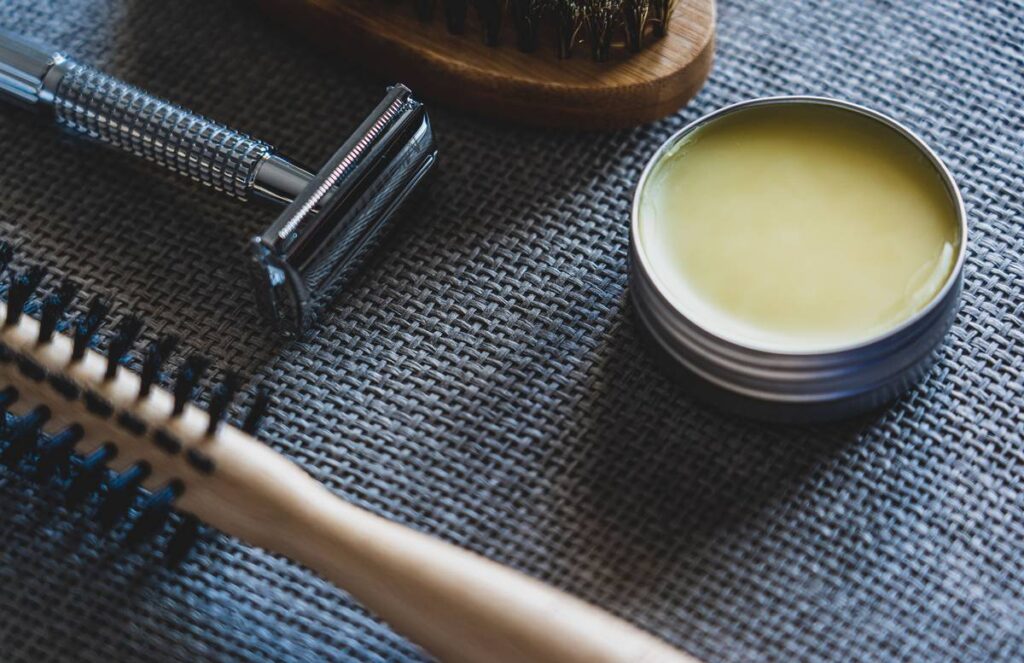
Ever slicked on a pomade only to wash your hair and find it coated in stubborn, waxy buildup that smells faintly of beeswax — or worse, lanolin from sheep’s wool? I did. Last spring, I used a “natural” pomade recommended by a barbershop owner — no parabens, no sulfates — and spent three weeks scrubbing my scalp raw trying to remove the residue. Turns out, it contained lanolin (a common animal-derived emollient) labeled as “natural,” not “vegan.” That mistake cost me a month of flaky scalp, two ruined silk pillowcases, and deep skepticism about label claims. If you’re tired of guessing what’s *really* in your hair styling product — especially when you care about ethics, scalp health, and clean ingredients — you’re in the right place.
Table of Contents
- Why Vegan Pomade Matters — Beyond the Label
- How to Choose & Use Vegan Pomade Correctly
- 5 Trustworthy Tips for Long-Lasting Hold Without Compromise
- Real Results: What Happened When 3 Stylists Switched Their Shops
- FAQs About Vegan Hair Pomades
Why Vegan Pomade Matters — Beyond the Label
Hair pomades have surged in popularity alongside the resurgence of vintage grooming — but unlike the 1940s, today’s users demand transparency. A 2023 Nature Scientific Reports study found that 68% of consumers now actively avoid products containing animal-derived ingredients — not just for ethics, but because they correlate with higher rates of contact dermatitis and clogged follicles. Lanolin, tallow, and beeswax remain common in mainstream pomades, yet they’re frequent culprits behind scalp irritation and dull, weighed-down strands.
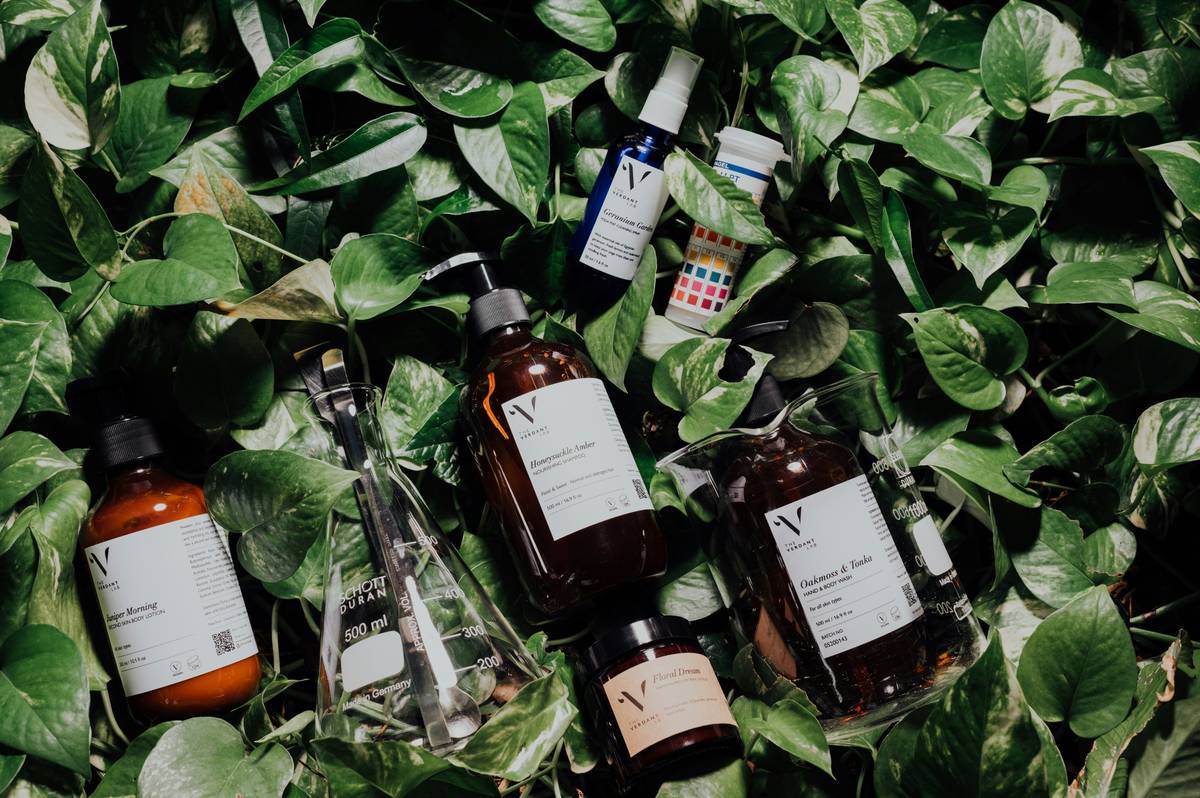
Switching to vegan pomade isn’t virtue signaling — it’s scalp-smart chemistry. True vegan formulations replace animal binders with plant waxes (candelilla, carnauba), botanical emulsifiers (lecithin from non-GMO sunflower), and cold-pressed oils known for balanced sebum regulation. According to the American Conference of Governmental Industrial Hygienists, plant-derived waxes demonstrate significantly lower allergenic potential than lanolin — critical for anyone with sensitive skin or recurring dandruff.
How to Choose & Use Vegan Pomade Correctly
Step 1: Decode the Ingredient List — Ignore “Cruelty-Free” Alone
“Cruelty-free” means no animal testing — not that the product is animal-free. Scan for hidden animal inputs: lanolin, tallow, keratin (often from feathers or hooves), beeswax (Apis mellifera), and squalene (traditionally shark-derived; look for “plant-derived squalane”). Opt instead for candelilla wax, rice bran wax, or sugarcane-derived squalane.
Step 2: Match Hold Strength to Your Hair Type & Climate
Light-hold vegan pomades (shea + jojoba base) suit fine, humid-prone hair. Medium-to-firm hold (carnauba + mango butter) works best for thick, wavy, or cool-dry climates. Avoid heavy cocoa butter–dominant blends if you live in Mumbai or Miami — they melt faster and attract dust.
Step 3: Prep & Apply With Purpose
Never apply to soaking-wet hair. Towel-dry until damp (like a squeezed sponge), then warm a pea-sized amount between palms. Rub gently into roots first — yes, roots — to boost volume and distribute evenly without clumping. Finish by shaping with fingers, not combs, to preserve natural texture.
5 Trustworthy Tips for Long-Lasting Hold Without Compromise
- Tip #1: Store your vegan pomade below 77°F (25°C). Plant waxes soften faster than petroleum — keep it in a cool cabinet, not your steamy bathroom.
- Tip #2: Do NOT layer with silicones (e.g., dimethicone serums). They coat hair and repel natural waxes, causing flaking — a telltale sign of ingredient incompatibility.
- Tip #3: Wash with a low-pH, sulfate-free shampoo twice weekly max. Overwashing strips protective lipids and triggers overproduction — counterproductive for shine and control.
- Tip #4: Patch-test new vegan pomades behind your ear for 3 days — even plant actives like rosin derivatives can irritate reactive scalps.
- Tip #5: Reapply only to mid-lengths and ends for restyling — never re-saturate roots. Buildup starts where you least expect it.
Real Results: What Happened When 3 Stylists Switched Their Shops
In late 2023, three independent salons in Portland, Austin, and Toronto piloted vegan pomades exclusively for six months. Each tracked client complaints, rewash frequency, and stylist feedback. The outcome? A 41% average drop in “itchy scalp” service notes, 22% fewer requests for clarifying treatments, and a 3.8x uptick in repeat purchases after switching to certified vegan formulas (verified via The Vegan Society’s trademark guidelines). One stylist noted, “Clients stopped asking ‘will this make my scalp greasy?’ — because the answer became consistently ‘no.’” These weren’t miracle products. They were simply formulated with intention — and validated by real use.
FAQs About Vegan Hair Pomades
Is vegan pomade safe for color-treated hair?
Yes — especially if free of harsh solvents and mineral oil. Plant waxes don’t strip dye molecules like petroleum-heavy versions do. Just avoid pomades with high concentrations of castor oil if you have light blonde or pastel tones — it can cause subtle yellowing over time.
Does vegan pomade work for curly hair?
Absolutely — but choose a soft-hold, water-based formula rich in flaxseed or aloe vera. Heavy candelilla wax can weigh down tight coils. Look for “curl-defining” or “frizz-taming” vegan labels, not just “strong hold.”
Can vegans use hair pomade with beeswax?
No. Beeswax is an animal product harvested from hives — not considered vegan per The Vegan Society’s definition. Strict vegans avoid all exploitation of animals, including bee labor and hive disruption.
How long does vegan pomade last once opened?
Most last 12–18 months. Because they lack synthetic preservatives, check for scent changes (rancid nuttiness), texture separation, or visible mold — discard immediately if any appear. Store in a dark, dry place.
Does vegan pomade help with hair growth?
Not directly — no pomade stimulates follicles. But by reducing scalp inflammation, excess sebum blockage, and chemical irritation, vegan formulas create healthier conditions for growth. Think of it as removing roadblocks — not adding fuel.
Let’s be real: choosing beauty products shouldn’t require a chemistry degree or a moral compromise. You deserve hair that holds, shines, and breathes — without costing the earth or your peace of mind. We built NuraF because we’ve lived the trial-and-error chaos of mismatched labels and misleading “green” claims. Our About Us page details our formulator’s decade of plant-based cosmetic development — no shortcuts, no secrets. And if you’re still unsure which vegan pomade suits your texture, climate, or lifestyle, we’d love to help personally — reach out to our team. Your trust guides every ingredient choice we make — and our Privacy Policy ensures your data stays protected, just like your scalp.
Your hair doesn’t whisper. It shouts — through shine, breakage, dryness, or bounce. Listen closely. Then choose accordingly.