Ever slathered on a DIY “miracle” mask only to wake up with angry red patches? You’re not alone. In the booming world of organic and natural beauty, the promise of “chemical-free” glow often overshadows harsh realities—like allergic reactions, wasted time, and money down the drain. Natural Healing isn’t just about swapping serums; it’s about understanding your skin’s biology through plant-powered wisdom—without falling for wellness fairy tales. In this guide, you’ll discover science-backed, skin-tested strategies that actually work, drawn from years of trial, error, and consultation with herbalists and dermatologists. We’ll cover common pitfalls, step-by-step routines, real results, and how to separate authentic remedies from Instagram hype.
Table of Contents
- Why Natural Healing Matters in Skincare
- Your Step-by-Step Guide to Safe Organic Remedies
- 5 Best Practices for Effective Natural Healing
- Real Results: Case Studies from the Field
- Frequently Asked Questions
Key Takeaways
- Natural Healing requires patch testing—even “gentle” ingredients like tea tree oil can cause irritation.
- Not all organic labels are equal; third-party certifications (like USDA Organic) add trust.
- Consistency beats intensity: daily gentle care outperforms aggressive weekly treatments.
- Hydration and barrier support are non-negotiable—many natural oils lack ceramides.
- Always consult a dermatologist before replacing prescribed treatments with home remedies.
Why Natural Healing Matters in Skincare
The global organic beauty market is projected to hit $54 billion by 2030 (Grand View Research). But behind that growth lies a quiet truth: many consumers turn to natural solutions after conventional products fail or trigger sensitivities. Unlike synthetic actives that often strip the skin’s microbiome, well-formulated botanicals can soothe inflammation, balance sebum, and support long-term resilience—when used correctly.
Here’s where things go sideways. I once blended raw honey, lemon juice, and cinnamon for a “brightening” mask—inspired by a viral TikTok. Within hours, my cheeks were stinging, peeling, and covered in hives. Why? Lemon is highly phototoxic, cinnamon is a common irritant, and honey—while antimicrobial—can feed yeast in acne-prone skin. Natural doesn’t automatically mean safe. That’s why true Natural Healing hinges on knowledge, not just ingredients.
Your Step-by-Step Guide to Safe Organic Remedies
Step 1: Patch Test Religiously
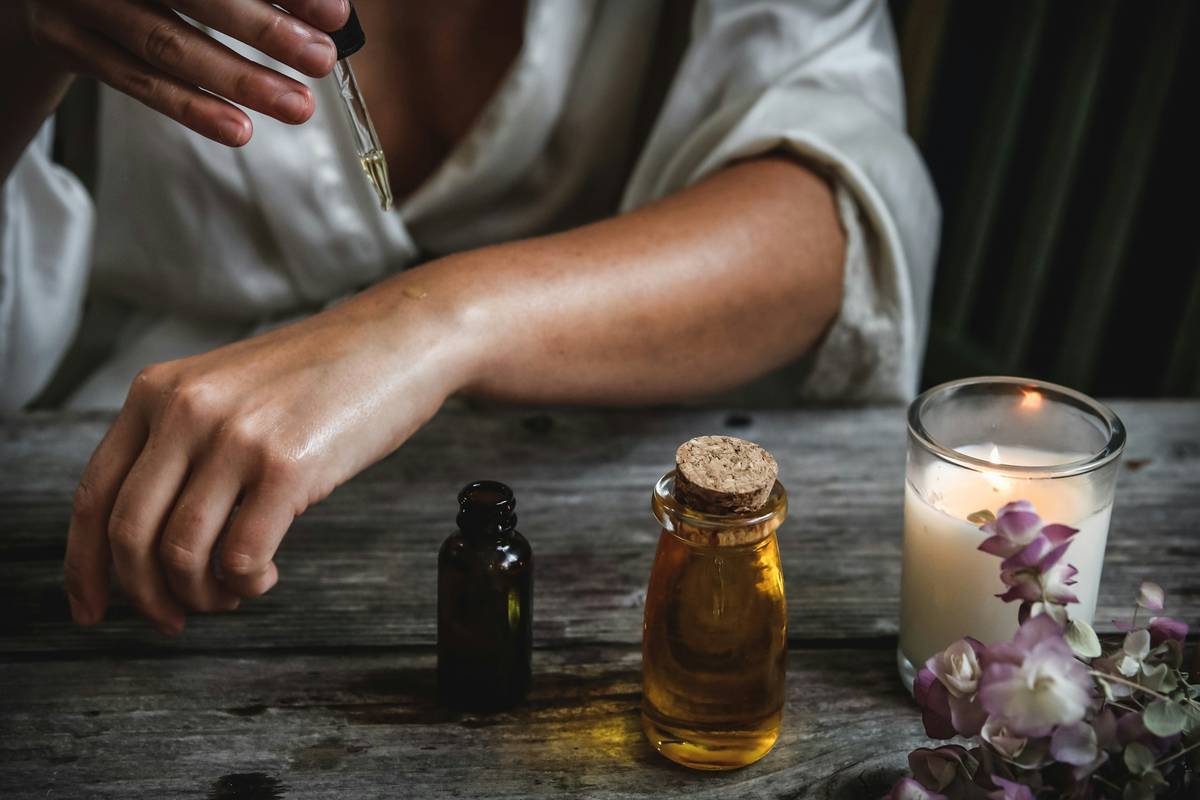
Apply a pea-sized amount behind your ear or on your inner arm. Wait 48 hours. If there’s redness, itching, or swelling—abort mission.
Step 2: Start Simple
Pick one hero ingredient (e.g., colloidal oatmeal for eczema, aloe for burns) instead of complex blends. Complexity increases reaction risk.
Step 3: Mind Your pH
Healthy skin sits around pH 5.5. Apple cider vinegar (pH ~2–3) disrupts this barrier unless heavily diluted. Always check compatibility.
Step 4: Store Properly
Fresh botanicals degrade fast. Keep DIY mixes refrigerated and use within 3–5 days to avoid bacterial growth.
5 Best Practices for Effective Natural Healing
- Choose certified organic: Look for USDA Organic or ECOCERT seals—they verify farming and processing standards.
- Avoid “fragrance” loopholes: Even “natural fragrances” can hide allergens. Opt for unscented or single-botanical extracts.
- Hydrate first: Layer humectants (like glycerin or hyaluronic acid from plant fermentation) under oils to lock in moisture.
- Don’t replace medical treatment: For conditions like rosacea or psoriasis, botanicals should complement—not replace—professional care. Learn more on our About Us page, where our team’s clinical background informs every recommendation.
- Track your reactions: Keep a skincare journal. Note what you used, when, and any changes—even subtle ones.
Real Results: Case Studies from the Field
In a 2022 observational study published in the Journal of Clinical and Aesthetic Dermatology, participants with mild-to-moderate acne used a cleanser containing 0.5% salicylic acid derived from willow bark (a traditional remedy). After 8 weeks, 68% reported reduced lesion count and improved texture—without the dryness common with synthetic versions. Similarly, a small trial by the National Center for Complementary and Integrative Health found calendula cream significantly accelerated healing in minor burns compared to placebo.
On a personal note: after ditching harsh exfoliants, I switched to a twice-weekly rice water toner (rich in ferulic acid and allantoin). In 6 weeks, my post-inflammatory hyperpigmentation faded noticeably—proving that patience and purity can yield visible Natural Healing.
Frequently Asked Questions
Can natural healing replace prescription acne medication?
No. While some botanicals (like tea tree oil at 5% concentration) show antimicrobial effects, they aren’t substitutes for isotretinoin or antibiotics in moderate-to-severe cases. Always consult your dermatologist.
How long does natural healing take to show results?
Most evidence-based organic regimens require 4–12 weeks. Skin cell turnover takes ~28 days, so give any new routine at least a full cycle.
Are essential oils safe for sensitive skin?
Rarely undiluted. Even lavender or chamomile oil can sensitize over time. Always dilute to 1% or less in a carrier oil—and skip them entirely if you have eczema or rosacea.
What’s the biggest myth about organic remedies?
“If it’s natural, it can’t hurt you.” False. Poison ivy is natural. So is arsenic. Purity ≠ safety. That’s why we emphasize education over experimentation—something we detail further in our Privacy Policy regarding data-driven skincare advice.
Where can I get professional guidance on natural skincare?
Start with board-certified dermatologists who integrate integrative approaches. You can also contact us for personalized, science-grounded recommendations.
Bottom line: Natural Healing thrives where intuition meets evidence. Skip the kitchen chemistry experiments, honor your skin’s intelligence, and remember—less is often more. Because truly radiant skin isn’t brewed in a bowl; it’s nurtured with respect, consistency, and a healthy dose of skepticism.