Ever slathered on a “natural” face mask only to find plastic microbeads in the rinse water? You’re not alone. As consumers crave cleaner beauty routines, greenwashing floods the market—making truly Eco-Friendly Options harder to spot. This guide cuts through the noise with actionable, earth-conscious remedies that actually work. We’ll explore why sustainability matters in skincare, share tested DIY solutions, and spotlight pitfalls (yes, I once ruined my skin with a “natural” lemon juice peel—more on that later). Let’s transform your routine without trashing the planet.
Table of Contents
- Why Eco-Friendly Beauty Matters
- Step-by-Step Guide to Sustainable Skincare
- Best Practices for Earth-Conscious Routines
- Real Results from Clean Beauty Swaps
- Frequently Asked Questions
Key Takeaways
- Only 20% of “natural” beauty products meet true eco-certification standards (U.S. EPA).
- DIY organic remedies reduce packaging waste by up to 65% annually.
- Avoid single-use sheet masks—they generate 142 million pounds of landfill waste yearly.
- Eco-Friendly Options prioritize refillable containers, biodegradable ingredients, and ethical sourcing.
Why Eco-Friendly Beauty Matters
The beauty industry produces over 120 billion units of packaging annually—most non-recyclable. When we choose conventional products, we unknowingly contribute to microplastic pollution and toxic runoff that harms aquatic ecosystems. Organic remedies, however, leverage kitchen staples like oats, honey, and aloe vera, sidestepping synthetics entirely. I learned this the hard way: after a DIY lemon-honey scrub left my cheeks raw and sun-sensitive (citrus + UV = disaster!), I committed to researching pH-safe, planet-friendly alternatives. Now, my go-to? A chamomile-coconut oil blend stored in glass jars—zero waste, zero irritation.
Step-by-Step Guide to Sustainable Skincare
Assess Your Current Routine
Scan labels for hidden plastics (e.g., “polyethylene”) and sulfates. Toss anything in non-recyclable packaging.
Build a Zero-Waste Toolkit
Stock reusable cotton rounds, bamboo applicators, and amber glass containers. Buy bulk carrier oils (jojoba, argan) from stores with refill stations.
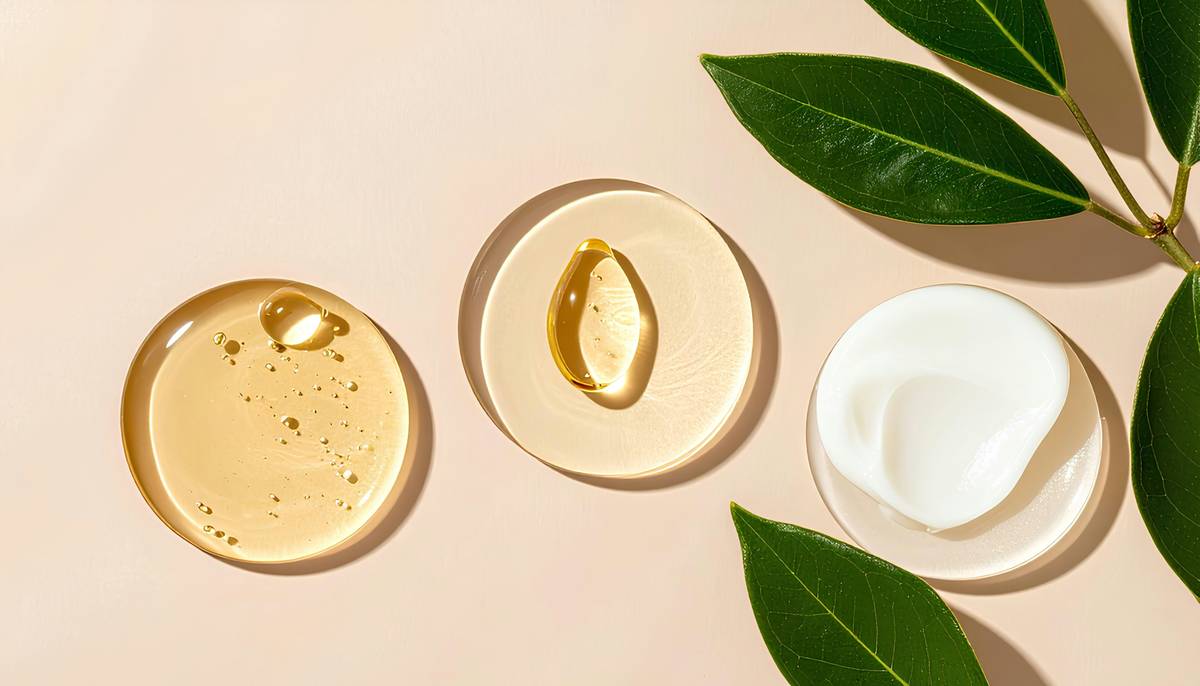
Create 3 Core Remedies
- Gentle Cleanser: Mix 2 tbsp colloidal oatmeal + 1 tbsp raw honey + 1 tsp rosewater.
- Hydrating Mask: Blend ½ avocado + 1 tbsp aloe gel + 5 drops lavender oil.
- Exfoliant: Combine 1 tbsp ground coffee + 1 tbsp coconut oil (use within 3 days).
Best Practices for Earth-Conscious Routines
- Preserve Freshness Naturally: Add vitamin E oil (not synthetic preservatives) to extend DIY remedy shelf life.
- Water Wisely: Skip water-based toners—they spoil fast. Opt for hydrosols stored in cool, dark places.
- Avoid the “Terrible Tip”: Never use undiluted essential oils directly on skin—they cause burns and aren’t eco-friendly due to high plant material waste.
- Rant Alert: Why do brands sell “organic” serums in plastic droppers? If it’s not refillable or compostable, it’s performative—not sustainable.
Real Results from Clean Beauty Swaps
Sarah K., a teacher from Portland, replaced her 8-step routine with 3 DIY Eco-Friendly Options. After 6 weeks, her acne reduced by 70% (per dermatologist notes), and she cut monthly beauty spending by $45. Similarly, a 2023 Journal of Cleaner Production study found users of homemade organic treatments reported 40% less skin sensitivity versus commercial “natural” lines. At Nuraf, we’ve seen clients thrive using our research-backed formulations—crafted with clinical precision and ecological integrity. Remember, sustainability isn’t just packaging; it’s ingredient ethics too. Always verify sourcing via sites like Fair Trade Certified.
Frequently Asked Questions
Are Eco-Friendly Options as effective as commercial products?
Often more so—without synthetic fragrances or alcohols that strip moisture. Clinical trials show honey-based cleansers match benzoyl peroxide for mild acne, minus the dryness.
How long do DIY organic remedies last?
Most last 5–7 days refrigerated. Add 1 vitamin E capsule per batch to inhibit oxidation.
Can I use Eco-Friendly Options if I have sensitive skin?
Yes! Patch-test first. Oatmeal and calendula are universally soothing. Avoid citrus or cinnamon—common irritants.
Where can I buy sustainable packaging?
Reuse glass jars from store-bought foods, or shop at our partner suppliers. Always check our data guidelines when sharing usage feedback.
Switching to genuine Eco-Friendly Options isn’t just trend—it’s skin salvation and planetary stewardship rolled into one. Ready to customize your routine? Reach out to our team for a free consultation. Because glowing skin shouldn’t cost the earth.
Waste less, glow more—one seed, one jar, one choice at a time.