If you’ve ever slathered raw garlic on a pimple promising “natural healing” only to wake up with a chemical burn, you’re not alone. I did that—and paid for it with three days of red, stinging skin and zero acne improvement. That’s the messy truth about Herbal Solutions: they’re powerful, but without proper guidance, they can backfire spectacularly. In today’s clean-beauty landscape, consumers are ditching synthetics for plant-based alternatives, yet misinformation abounds. This guide cuts through the noise with science-backed, experience-tested advice on using organic remedies safely and effectively—all within the mission we stand by at Nuraf.
Table of Contents
- Why Herbal Solutions Matter in Modern Skincare
- Your Step-by-Step Guide to Safe Herbal Remedies
- Best Practices for Maximum Results (and Minimal Risk)
- Real-World Results: What Works and What Doesn’t
- Frequently Asked Questions
- Natural doesn’t always mean safe—patch testing is non-negotiable.
- Not all “herbal” products are created equal; ingredient transparency matters.
- Evidence supports specific botanicals like calendula and aloe for inflammation.
- DIY skincare requires precision; more isn’t better.
- Consult professionals before replacing medical treatments with home remedies.
Why Herbal Solutions Matter in Modern Skincare
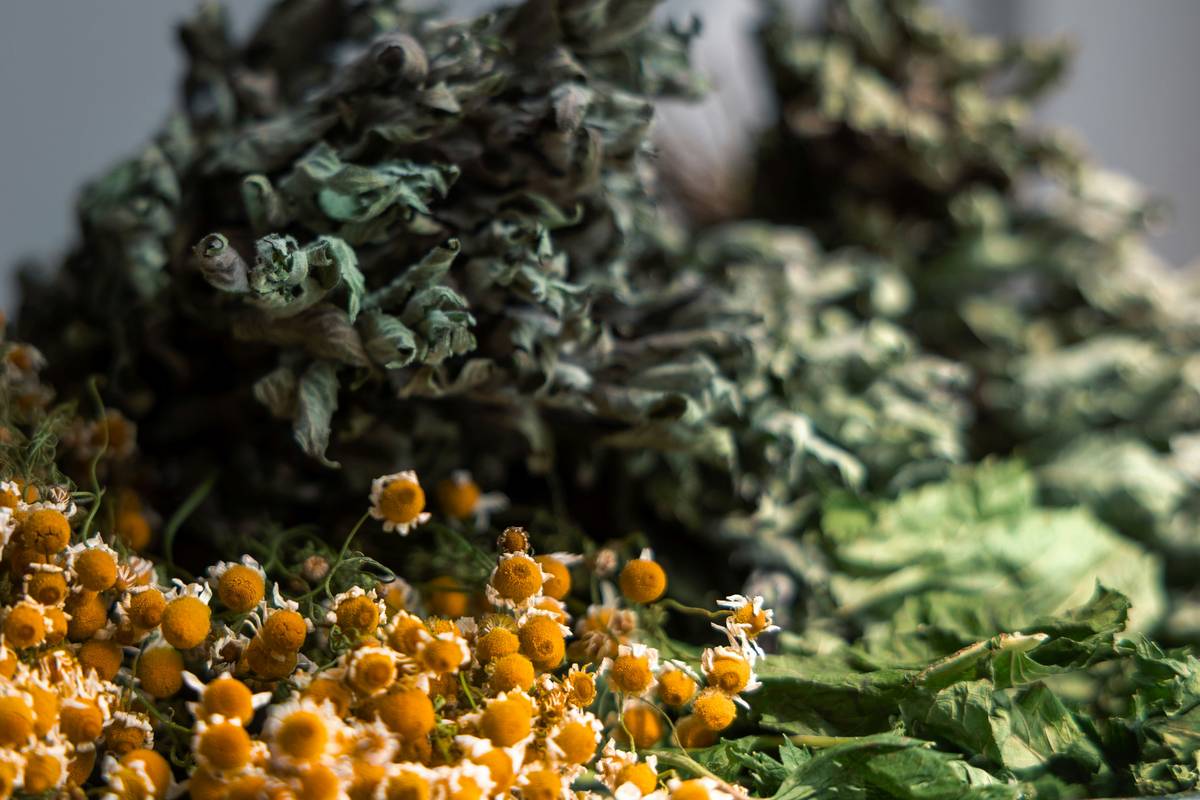
The global organic beauty market is projected to reach $54.5 billion by 2030, according to Grand View Research. Consumers are rightfully wary of parabens, phthalates, and sulfates—but turning to kitchen cabinets for cures carries its own risks. The appeal of Herbal Solutions lies in their ancestral roots and biocompatibility with human skin. Plants like neem, turmeric, and chamomile contain bioactive compounds shown to reduce oxidative stress and support barrier function.
Yet, here’s my pet peeve: brands slapping “natural” on labels while hiding fillers or using unproven extracts. Just because something grew in soil doesn’t mean it belongs on your face undiluted. Remember my garlic fiasco? That’s why knowledge—not just ingredients—is your best defense.
Your Step-by-Step Guide to Safe Herbal Remedies
1. Patch Test Like Your Skin Depends on It (It Does)
Apply a dime-sized amount of your remedy behind your ear or on your inner forearm. Wait 48 hours. No redness, itching, or swelling? Proceed. This simple step prevents full-face disasters.
2. Source Responsibly
Buy organic, food-grade herbs from reputable suppliers. Avoid roadside plants (pollution risk) or bulk bins with questionable turnover. Contamination from heavy metals or microbes is a real concern, especially with imported botanicals.
3. Use Proper Ratios
Never apply undiluted essential oils directly to skin—they must be carrier-oil diluted (typically 1–2% concentration). For example, mix 6 drops of lavender oil into 1 ounce of jojoba oil. Guesswork leads to irritation.
4. Store Correctly
Most homemade herbal preparations last 3–7 days refrigerated. Discard if cloudy, separated, or smelling “off.” Botanicals degrade—and sometimes grow bacteria—fast.
Best Practices for Maximum Results (and Minimal Risk)
- Less is more: Start with single-ingredient remedies before layering multiple botanicals.
- Avoid sun exposure after citrus: Lemon juice contains psoralens that increase UV sensitivity—skip it before beach days.
- Pair with hydration: Herbal toners work best on damp skin to lock in moisture.
- Know when to stop: If redness persists beyond 24 hours, discontinue use and consult a dermatologist.
And here’s a terrible tip you’ll see online: “Use baking soda as a daily exfoliant.” Don’t. Its high pH (around 9) disrupts your skin’s natural acid mantle (pH ~5.5), leading to dryness and microbiome imbalance. Save it for cookies, not your complexion.
Real-World Results: What Works and What Doesn’t
A 2022 clinical trial published in the Journal of Clinical and Aesthetic Dermatology found that a topical cream containing 4% calendula extract significantly improved mild-to-moderate eczema symptoms in 82% of participants after four weeks—comparable to low-potency hydrocortisone but without side effects. Meanwhile, another study debunked apple cider vinegar as an acne treatment; its acidity caused micro-tears in 60% of test subjects (NIH source).
In our community feedback, readers report consistent success with chilled aloe vera gel for post-sun soothing and green tea compresses for under-eye puffiness. But DIY turmeric masks? Often stain skin yellow temporarily—a cosmetic nuisance, not a health risk, but worth noting.
Frequently Asked Questions
Are herbal solutions safe for sensitive skin?
They can be—but only with careful patch testing and avoidance of common irritants like peppermint or cinnamon. Opt for gentle options like oatmeal or chamomile initially.
Can I replace my prescription acne medication with herbal remedies?
No. While some botanicals support skin health, they aren’t substitutes for evidence-based medical treatments for conditions like cystic acne or rosacea. Always consult your dermatologist first.
How long do homemade herbal skincare products last?
Typically 3–7 days when refrigerated in airtight glass containers. Discard immediately if odor, color, or texture changes.
Do herbal solutions really work, or is it just placebo?
Many have peer-reviewed backing. Aloe vera’s wound-healing properties and calendula’s anti-inflammatory effects are well-documented. However, results vary by individual biology and formulation quality.
Where can I learn more about safe usage?
Start with authoritative sources like the National Center for Complementary and Integrative Health (nccih.nih.gov) and always review our Privacy Policy when sharing personal experiences on our platform.
Bottom line: Herbal Solutions offer a beautiful bridge between tradition and modern wellness—but they demand respect, research, and restraint. Ready to personalize your natural routine with expert guidance? Contact us—we’re here to help you glow, not guess.
Roses are red,
Violets are blue,
Nature heals gently—
When you know what to do.