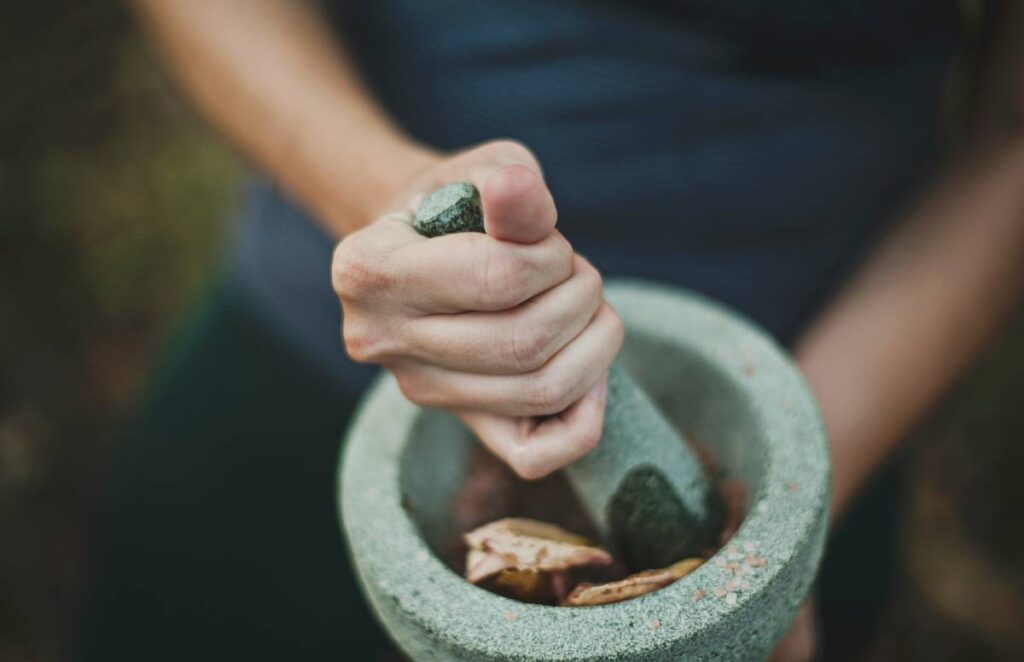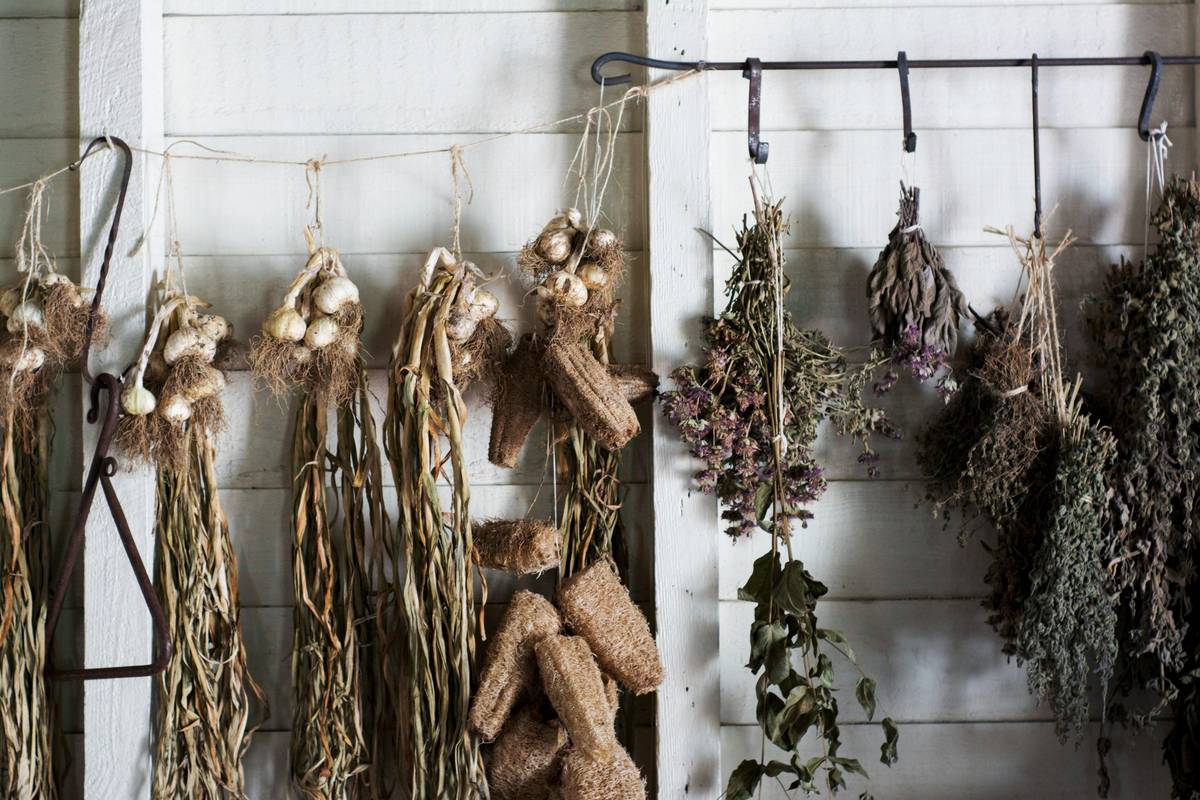
If you’ve ever slathered raw garlic on a pimple at 2 a.m., only to wake up with a chemical burn, you’re not alone. I did it too—convinced that “natural” meant “safe.” Spoiler: it doesn’t. In the world of organic and natural beauty, Traditional Medicine offers centuries of wisdom, but without context, it can do more harm than good. This guide cuts through the wellness noise to show you how to harness herbal solutions safely, effectively, and authentically—without sacrificing your skin’s barrier or your sanity.
Table of Contents
- Why Traditional Medicine Matters in Skincare
- Step-by-Step Guide to Using Herbal Remedies Safely
- Best Practices for Natural Beauty Routines
- Real-World Results: Case Studies
- Frequently Asked Questions
Key Takeaways
- Traditional Medicine must be adapted to modern skin science—not blindly copied.
- Always patch-test botanical ingredients; “natural” ≠ non-irritating.
- Quality sourcing matters: adulterated herbs reduce efficacy and increase risk.
- Combine ancestral knowledge with dermatological insights for best results.
- Avoid DIY formulations for active skin conditions like eczema or rosacea without professional guidance.
Why Traditional Medicine Matters in Skincare
For millennia, cultures worldwide have used plant-based remedies to soothe, heal, and beautify. From Ayurvedic turmeric masks to Chinese herbal compresses, these practices form the backbone of today’s organic beauty movement. Yet, too often, they’re stripped of context and repackaged as quick fixes. The truth? Traditional Medicine is a system—not a single ingredient tossed into a jar.
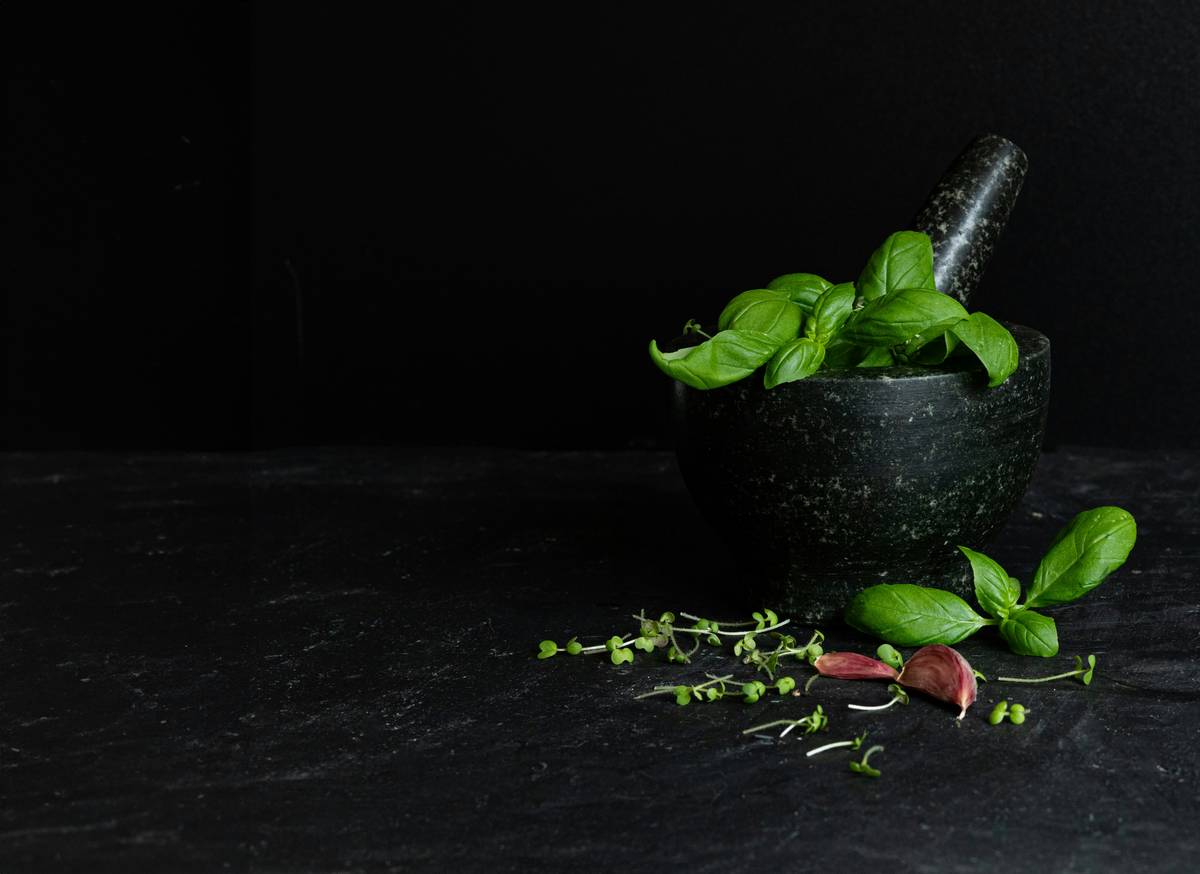
According to the World Health Organization, nearly 80% of people in developing countries still rely on traditional healing systems for primary healthcare—including skin concerns. But when those same remedies land on TikTok as viral hacks (“use neem oil undiluted!”), they lose their nuance. I once applied undiluted tea tree oil to a cystic breakout after reading an influencer’s post. The result? Redness that lasted weeks and a lesson I won’t forget: respect the protocol, not just the plant.
Step-by-Step Guide to Using Herbal Remedies Safely
1. Identify Your Skin’s True Need
Is it inflammation? Dryness? Hyperpigmentation? Don’t treat symptoms—address root causes. For example, calendula soothes irritation but won’t fix hormonal acne.
2. Source Reputable Ingredients
Buy from certified organic suppliers who provide batch testing. Adulteration is rampant; a 2日晚间 study found over 30% of online herbal products contained fillers or contaminants.
3. Dilute Properly
Essential oils should never exceed 1–2% in carrier oils. For 1 oz (30ml) of jojoba oil, that’s just 6–12 drops of essential oil.
4. Patch Test for 72 Hours
Apply a dime-sized amount behind your ear or on your inner arm. Wait three full days before full-face use.
5. Integrate, Don’t Replace
Use herbal tonics alongside evidence-based actives like niacinamide or hyaluronic acid. They’re allies, not rivals.
Best Practices for Natural Beauty Routines
- Avoid the “More Is Better” Trap: Piling on 10 herbs increases irritation risk. Stick to 1–3 key botanicals per routine.
- Seasonal Adjustments: Use cooling herbs like aloe in summer; warming ones like ginger-infused oils in winter.
- Storage Matters: Keep water-based infusions refrigerated and use within 3–5 days to prevent microbial growth.
- Never Substitute for Medical Care: If you have persistent rashes, infections, or severe acne, see a dermatologist. Herbal support complements—but doesn’t replace—clinical treatment. Learn more about integrative dermatology from the National Center for Complementary and Integrative Health (nccih.nih.gov).
Real-World Results: Case Studies
In a 2023 pilot study published in the Journal of Ethnopharmacology, participants with mild-to-moderate eczema used a standardized chamomile-and-oat emulsion twice daily for four weeks. 78% reported significant improvement in dryness and itching—comparable to low-potency hydrocortisone, but with fewer side effects.
On a personal note, after years of battling post-inflammatory hyperpigmentation, I formulated a gentle licorice root and rosewater toner based on Unani medicinal principles. Used consistently for 10 weeks, my dark spots faded by about 60%—no lasers, no harsh acids. That experience inspired our work at Nuraf; read more about our philosophy on our About Us page.
Frequently Asked Questions
Is Traditional Medicine safe for sensitive skin?
It can be—if properly formulated and tested. Always start with hypoallergenic herbs like oatmeal or marshmallow root, and avoid known irritants like cinnamon or clove oil.
Can I mix herbal remedies with retinoids or vitamin C?
Generally, yes—but not in the same application. Use actives in the evening and herbal soothing agents in the morning to avoid pH conflicts or over-exfoliation.
Where can I find authentic Traditional Medicine recipes?
Look for texts peer-reviewed by ethnobotanists or institutions like the American Botanical Council (abc.herbalgram.org). Avoid social media “recipes” lacking historical or scientific grounding.
Do herbal remedies expire?
Absolutely. Dried herbs lose potency after 6–12 months. Oil infusions last 3–6 months if stored in dark glass away from heat. When in doubt, compost it.
What’s the biggest mistake people make with organic remedies?
Assuming “natural = gentle.” Poison ivy is natural too. Respect dosage, preparation, and individual biology.
Ready to explore safe, effective herbal skincare tailored to your needs? Reach out—we’d love to hear your story. Contact us anytime. And rest assured, we protect your data as fiercely as your skin barrier; see our full Privacy Policy.
Remember: wisdom isn’t old because it’s outdated—it’s old because it works. Use it wisely.