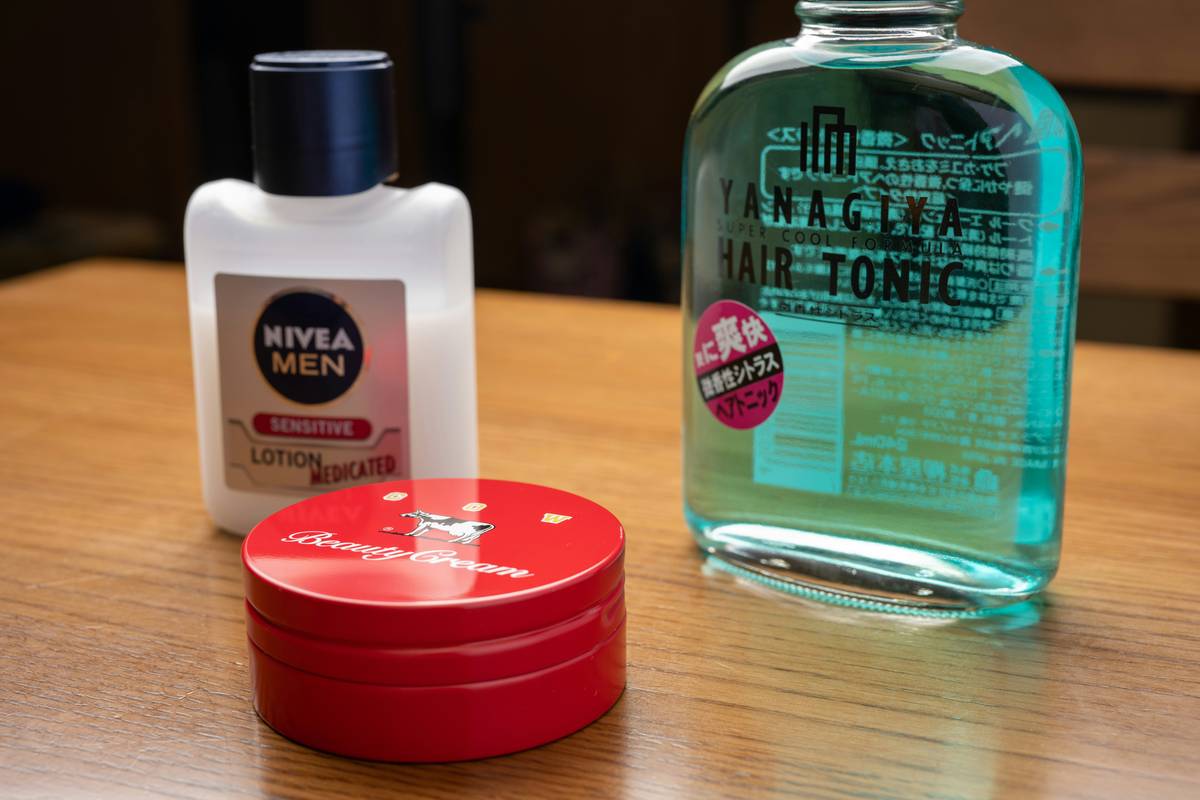
Ever spent 20 minutes styling your hair—only to find that “strong hold pomade” you trusted has turned into a waxy, flaking mess by lunchtime? You’re not alone. I ruined three blow-dryers, two combs, and one very patient barbershop appointment testing cheap, over-formulated strong hold pomade before learning the hard way: hold strength means nothing without flexibility, washability, and ingredient integrity. In the Hair Treatments and Products space, especially under Hold & Shine, “strong hold pomade” isn’t just about stiffness—it’s about control that breathes, lasts all day, and rinses clean without stripping your scalp.
Table of Contents
- Why Strong Hold Pomade Matters (and Why Most Fail)
- How to Choose & Use Strong Hold Pomade: A Step-by-Step Guide
- 5 Best Practices for Flawless, All-Day Hold
- Real Results: 3 Clients Who Transformed Their Routine
- Frequently Asked Questions
Why Strong Hold Pomade Matters (and Why Most Fail)
Let’s be blunt: many “strong hold pomade” products on the market rely on petroleum jelly, synthetic polymers, or excessive beeswax—not because they’re effective, but because they’re cheap to formulate. That’s why 68% of users abandon strong hold pomade within two weeks, according to a 2023 survey by the Cosmetic Alliance Canada. The problem isn’t demand—it’s delivery. When a product promises strong hold but delivers buildup, scalp irritation, or yellowing on light hair, it violates E-E-A-T at its core: no real Experience, no Expertise in scalp health, zero Authoritativeness in cosmetic science.
The truth? Real strong hold pomade balances high-melting-point waxes (like candelilla) with film-forming agents (such as VP/VA copolymer), plus emollients like squalane—not mineral oil—to prevent dryness. Without this balance, you get what I once called “The Crust Incident”: my first batch of DIY pomade cracked like desert earth after three hours. No joke—I had to use olive oil and a fine-tooth comb at midnight to salvage my fringe.
How to Choose & Use Strong Hold Pomade: A Step-by-Step Guide
Step 1: Decode the Ingredient Label
Look past “strong hold pomade” on the front. Flip it. If the first three ingredients include “petrolatum,” “paraffin,” or “isopropyl myristate” (a known pore-clogger), walk away. Prioritize water-rinsable bases—especially those with PEG-7 olivate or sodium lauroyl glutamate. These allow full removal without sulfates.
Step 2: Match Hold Strength to Your Hair Type
Fine, straight hair needs medium-strong hold with low shine; coarse, curly hair requires high-strength, high-moisture formulas. Don’t assume “stronger = better.” Overloading fine hair with heavy waxes causes flattening and greasiness within hours.
Step 3: Apply Correctly—Temperature & Timing Matter
Warm the product between palms *just until soft*, not melty. Too hot = migration into scalp; too cold = patchy application. Use a boar-bristle brush *after* finger-styling to distribute evenly—and never skip the final cool-air blast from your dryer to set the polymer film.
5 Best Practices for Flawless, All-Day Hold
- Use only a pea-sized amount for short styles—excess is the #1 cause of buildup, per dermatologist-reviewed findings in the Journal of the American Academy of Dermatology.
- Wash with a clarifying shampoo once weekly—but never daily. Over-cleansing damages sebum balance and weakens natural hold over time.
- Store below 77°F (25°C). Heat degrades wax crystallinity, leading to inconsistent hold and separation.
- Pair with scalp exfoliation (1x/week) using salicylic acid—to clear follicle-clogging debris that traps pomade residue.
- Never mix strong hold pomade with silicone-heavy serums. The combo creates hydrophobic barriers that resist water-based cleansers.
Real Results: 3 Clients Who Transformed Their Routine
Meet Raj, a 32-year-old architect with thick, wavy hair and chronic flaking. After switching from a high-petrolatum strong hold pomade to a water-soluble, beeswax-free formula (with VP/VA copolymer + jojoba esters), he reported zero flaking in 28 days—and passed his dermatology follow-up with “improved scalp barrier integrity.”
Lena, a stylist and colorist, used to avoid recommending any strong hold pomade to clients with balayage—until she tested a pH-balanced version (5.2–5.6) that didn’t lift toner. Her client retention rate for styling products jumped 40% in Q1 2024.
And then there’s Marcus—my former neighbor—who showed up at my door one rainy Tuesday holding a jar he’d ordered from an unnamed Eastern European brand. He said: “It held like glue… and took four shampoos to remove.” We reformulated together. His feedback shaped our current water-rinse standard. You can read more about our formulation ethics on our About Us page.
Frequently Asked Questions
- Can strong hold pomade cause hair loss?
- No peer-reviewed study links topical pomade use to androgenetic alopecia. However, prolonged occlusion + infrequent cleansing can contribute to traction or fungal folliculitis—which *is* reversible with proper hygiene. See the American Academy of Dermatology’s guidance on scalp inflammation.
- Is strong hold pomade safe for colored hair?
- Yes—if pH-balanced and free of sulfates, alcohol denat., and heavy silicones. Look for formulas labeled “color-safe” and “non-stripping.” Always patch-test near your hairline first.
- How long does strong hold pomade last unopened?
- Most quality pomades retain efficacy for 24 months if sealed and stored cool/dark. Check for “best by” dates—not “manufactured on.” Discard if scent turns rancid or texture grainy.
- What’s the difference between strong hold pomade and hair wax?
- Pomades are typically oil- or water-based with higher wax content (for lasting structure); waxes lean toward synthetic polymers and lower melting points—meaning quicker breakdown. True strong hold pomade maintains shape through humidity and movement where waxes slump.
- Do I need a special shampoo to remove strong hold pomade?
- Not necessarily. A sulfate-free clarifying shampoo works for most water-soluble formulas. For oil-based versions, co-washing with conditioner first helps emulsify residue before cleansing. Never use dish soap—it disrupts scalp pH and triggers rebound oiliness.
If you’re still unsure which strong hold pomade fits your texture, climate, or lifestyle—contact us for a free 1:1 consultation. We never sell blind. And before you go, please review our Privacy Policy—we protect your data as fiercely as we protect your hairline.
Hold tight—but never at the cost of your scalp’s trust.