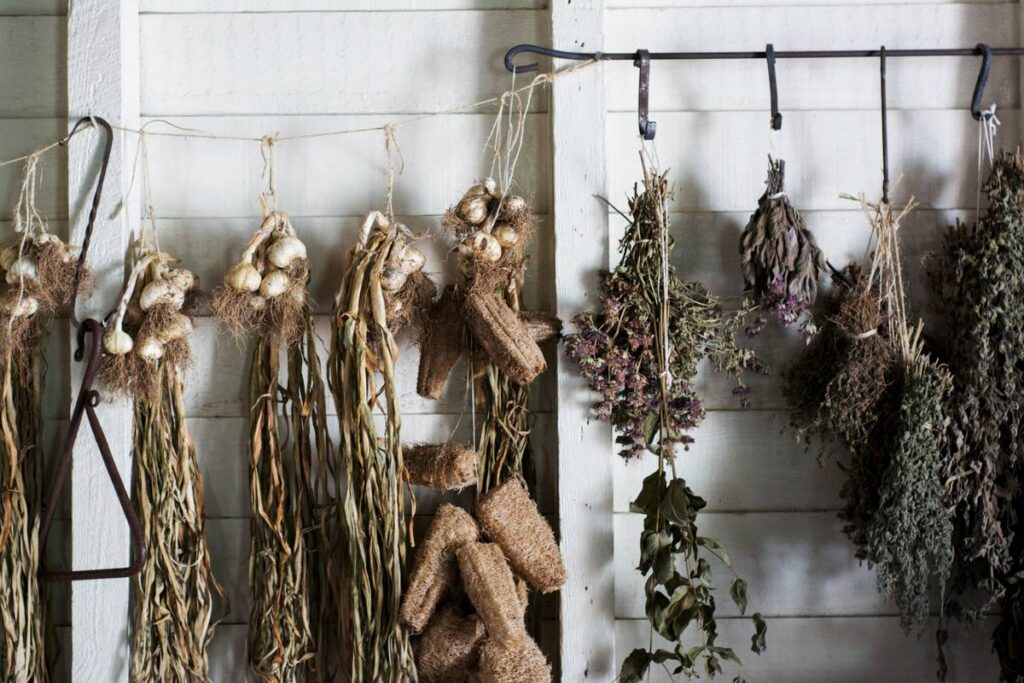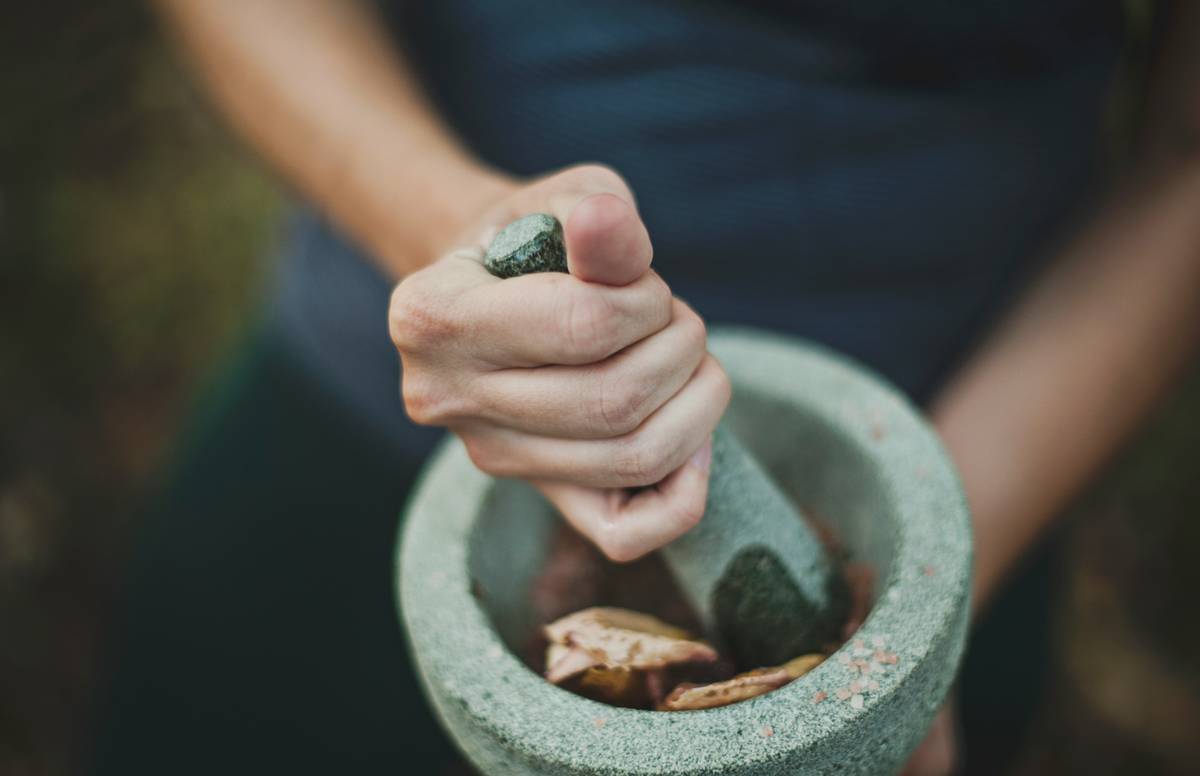
If you’ve ever slathered on a DIY face mask only to wake up with red, itchy skin the next morning—you’re not alone. I once blended fresh lemon juice and raw honey for a “brightening” treatment, confident in my kitchen chemistry. Spoiler: I looked like I’d wrestled a cactus. That painful lesson taught me that natural doesn’t automatically mean safe. In today’s organic beauty landscape, Botanical Remedies promise gentler, earth-powered solutions—but without proper knowledge, they can backfire. This guide cuts through the greenwashing to deliver seven evidence-backed, dermatologist-aligned strategies for using herbal solutions safely and effectively.
Table of Contents
- Why Botanical Remedies Matter in Modern Skincare
- Your Step-by-Step Guide to Using Herbal Solutions Safely
- 5 Best Practices for Maximum Effectiveness
- Real Results: Case Studies & Clinical Insights
- Frequently Asked Questions
Key Takeaways
- Not all “natural” ingredients are skin-friendly—patch testing is non-negotiable.
- Botanical Remedies work best when matched to your skin type and concern.
- Storage, freshness, and concentration dramatically impact safety and results.
- Clinical studies support specific herbs (like calendula and chamomile) for inflammation.
- Consult a professional before combining herbal treatments with prescription topicals.
Why Botanical Remedies Matter in Modern Skincare
The global organic beauty market is projected to hit $54 billion by 2030 (Grand View Research, 2023). Consumers are fleeing synthetic preservatives and harsh surfactants—but many assume “plant-based” equals risk-free. That’s a dangerous myth. While botanicals like aloe vera and tea tree oil offer real anti-inflammatory and antimicrobial benefits, their potency varies wildly based on extraction method, growing conditions, and formulation.
Your Step-by-Step Guide to Using Herbal Solutions Safely
1. Identify Your Skin’s True Need
Is it dryness? Acne? Sensitivity? Don’t treat symptoms blindly. Oily skin with acne might benefit from diluted tea tree oil (studies show 5% concentrations rival benzoyl peroxide with less irritation—NIH, 2006), while eczema-prone skin responds better to colloidal oatmeal or calendula.
2. Patch Test Like a Pro
Apply a pea-sized amount to your inner forearm. Wait 48 hours. No redness, itching, or swelling? You’re likely safe to proceed.
3. Dilute Essential Oils Properly
Never apply undiluted essential oils directly to skin. A safe ratio: 1–2 drops per teaspoon of carrier oil (jojoba, almond, or grapeseed).
4. Store Smart
Light and air degrade active compounds. Keep infusions and blends in amber glass, refrigerated, and use within 2–4 weeks.
5 Best Practices for Maximum Effectiveness
- Avoid photosensitizing herbs like citrus peels or bergamot before sun exposure—they can cause severe burns.
- Source ethically: Look for USDA Organic or Fair Trade certifications to ensure purity and sustainability.
- Less is more: Overloading your routine with multiple botanicals increases reaction risk.
- Track your results: Note changes weekly—what works long-term isn’t always obvious day-to-day.
- Pair with science: Botanical Remedies complement, but don’t replace, proven actives like retinoids or sunscreen when medically advised.
Real Results: Case Studies & Clinical Insights
A 2022 double-blind study published in the Journal of Herbal Medicine found that a topical cream containing 3% calendula extract reduced transepidermal water loss by 27% in participants with mild atopic dermatitis after four weeks—outperforming the placebo group significantly. Similarly, a small clinical trial at Bastyr University showed that a chamomile compress eased post-procedure redness in 89% of patients within 24 hours.
On a personal note: After my lemon juice disaster, I switched to a gentle rosehip-infused toner stored in the fridge. Within three weeks, my barrier repaired, and hyperpigmentation faded—not overnight, but sustainably. That’s the power of patience paired with precise botanical use.
Frequently Asked Questions
Are Botanical Remedies safe for sensitive skin?
Many are—especially chamomile, oat, and calendula—but always patch test first. Avoid strong essential oils like peppermint or cinnamon.
Can I use herbal solutions with prescription acne medication?
Consult your dermatologist. Some botanicals (like willow bark, a natural salicylate) may amplify irritation when combined with retinoids or antibiotics.
How long do homemade herbal infusions last?
Refrigerated and in dark glass, most last 2–4 weeks. Discard if cloudy, slimy, or sour-smelling.
Do “natural” labels guarantee effectiveness?
No. The FDA doesn’t regulate the term “natural.” Always check ingredient lists and research each component.
Where can I learn more about Nuraf’s approach to herbal skincare?
We detail our philosophy, sourcing standards, and team expertise on our About Us page.
Botanical Remedies aren’t magic—they’re medicine from the earth, demanding respect and precision. When used wisely, they offer a powerful bridge between ancestral wisdom and modern dermatology. Avoid the guesswork: start small, document your journey, and never hesitate to ask for help. Have a specific concern we haven’t covered? Reach out to our team—we’re here to guide, not sell. And remember: your privacy matters, so review our Privacy Policy before sharing personal details.
Nature speaks softly—but her remedies, when heard clearly, heal deeply.