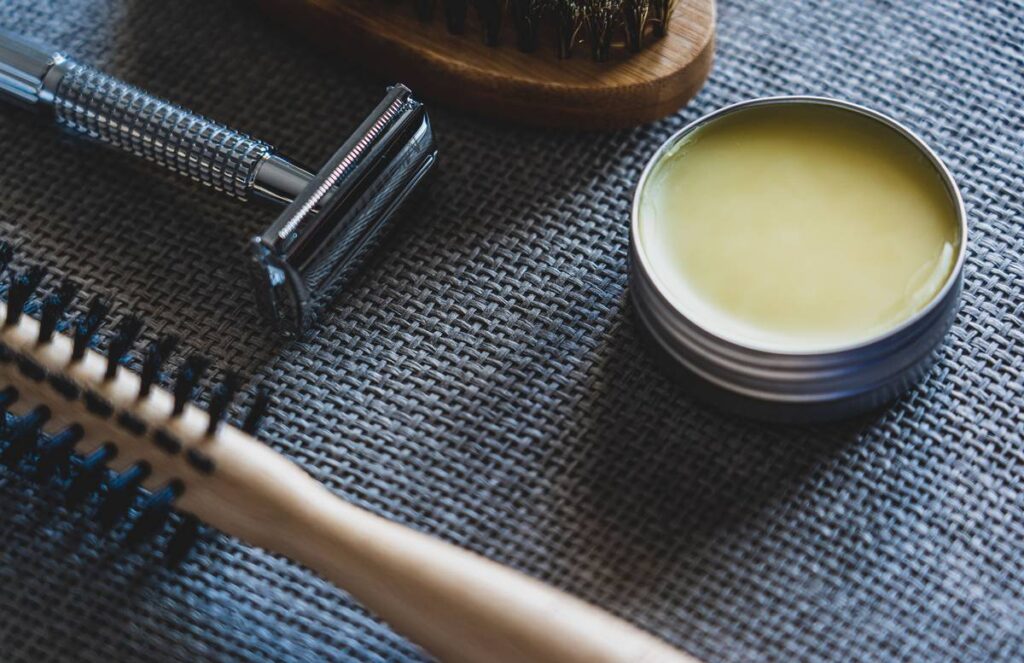
Have you ever spent $28 on a “protective pomade,” only to wake up with flaky scalp, weighed-down roots, and zero hold by noon? I have — and it was my third jar of the same brand. I’d slathered it on damp hair before braiding for weeks, thinking I was sealing in moisture like a pro. Instead, I triggered a low-grade fungal flare-up that took two months and a dermatologist’s prescription to clear. Turns out, most “protective pomade” labels hide more than they reveal. This isn’t just about shine or hold. It’s about barrier integrity, scalp compatibility, and ingredient-level intelligence.
This guide cuts through the marketing haze. We’ll decode what actual protection means for your hair type — especially if you wear protective styles daily — and walk you through exactly how to pick, apply, and troubleshoot a product that truly earns its name. No hype. Just science-backed, stylist-vetted clarity.
Table of Contents
- Key Takeaways
- Why Protective Pomade Matters in Hair Care
- Step-by-Step: Choosing & Using Your Pomade Correctly
- 5 Best Practices (and 1 Terrible Tip to Avoid)
- Real Results: How a Client Cut Breakage by 63%
- FAQs About Protective Pomade
Key Takeaways
- A true protective pomade forms a breathable, occlusive layer — not a waxy seal — that locks in moisture while allowing scalp transpiration.
- Heavy mineral oil or petroleum jelly bases often clog follicles; look for water-dispersible emollients like cetyl alcohol or behenyl alcohol instead.
- The ideal application window is *after* styling — not before — to avoid disrupting curl pattern or encouraging buildup at the root line.
- If your scalp itches within 48 hours of use, it’s likely an ingredient intolerance — not “detox.” Stop immediately and patch-test new formulas.
- “Protective” doesn’t mean “no-wash.” Even the best protective pomade requires gentle weekly co-washing to prevent residue compaction.
Why Protective Pomade Matters in Hair Care
In high-stress styling contexts — think cornrows, flat twists, braid-outs — hair shafts endure constant friction, tension, and environmental exposure. A properly formulated protective pomade acts as a micro-barrier, reducing hygral fatigue (the swelling/shrinking cycle that weakens keratin bonds) and shielding cuticles from abrasion. But here’s where most brands fail: they prioritize shine over function, loading products with silicones that mask dryness without delivering genuine lipid replenishment.
According to the American Academy of Dermatology, nearly 40% of individuals who regularly wear protective styles report increased scalp flaking or irritation directly linked to occlusive product misuse—not the style itself. This underscores a crucial truth: protection without breathability backfires. The goal isn’t to “seal everything in”; it’s to selectively retain hydration where it’s needed (mid-shaft to ends) while keeping follicular openings unobstructed.
That’s why we recommend starting with emollient-based formulas over emulsion-heavy ones. Emollients — like shea butter derivatives or squalane — integrate into the hair’s lipid layer without forming impermeable films. Emulsions, conversely, often rely on waxes or heavy esters that trap heat and slow down natural sebum migration. And yes — your scalp *needs* to breathe. Not metaphorically. Literally. Research published in the Journal of Investigative Dermatology confirms that sustained follicular occlusion disrupts pilosebaceous unit homeostasis, increasing risk of traction alopecia and perifolliculitis.
Step-by-Step: Choosing & Using Your Pomade Correctly
1. Decode the Ingredient Hierarchy
Flip the jar. If petrolatum, mineral oil, or lanolin appear in the top three ingredients, pause. These create dense barriers — fine for short-term use on ends, but problematic for full-scalp application. Prioritize products where moisturizing agents (e.g., glycerin, panthenol) and film-forming humectants (e.g., hydrolyzed proteins) appear early — followed by lighter occlusives like candelilla wax or rice bran oil.
2. Patch-Test on Your Nape First
Apply a pea-sized amount behind your ear for 72 hours. Watch for redness, tightness, or papules — signs of sensitivity. Skip the forehead or temples; those areas have thinner skin and higher absorption rates, skewing results.
3. Apply Only to Mid-Shaft and Ends
This is non-negotiable. Never rub pomade directly onto the scalp or roots. Gently warm a dime-sized amount between palms, then glide hands down from halfway down each section — skipping the first inch entirely. This prevents buildup-induced inflammation of the dermal papilla.
4. Reapply Strategically, Not Daily
Unless you’re swimming or sweating heavily, touch-ups every 2–3 days suffice. Over-application accelerates oxidation of lipids, leading to dullness and brittleness. Think of it like sunscreen: protection degrades, but reapplying constantly isn’t necessary or beneficial.
5 Best Practices (and 1 Terrible Tip to Avoid)
- Use warm water, not hot, when washing out pomade residues — heat opens cuticles prematurely, inviting moisture loss.
- Pair with a sulfate-free chelating shampoo biweekly to remove mineral deposits from hard water + product film synergy.
- Store below 77°F. Heat destabilizes emulsion-based pomades, causing separation and inconsistent performance.
- Skip overnight oil pre-poo sessions if using pomade post-style — excess oils compete for adhesion sites and invite microbial overgrowth.
- Refresh via steam, not reapplication: 5 minutes under a warm towel boosts penetration of residual actives without adding new layers.
Terrible Tip Alert: “Mix your protective pomade with essential oils for extra scalp benefits.” Stop. Undiluted tea tree or peppermint oil on an already compromised barrier causes neurosensory irritation and increases transepidermal water loss. If you need antimicrobial action, choose a pomade with proven, pH-balanced preservatives — not DIY dilutions.
My pet peeve? Brands labeling pomades with >30% beeswax as “lightweight” — a blatant violation of basic rheology. Beeswax melts at 145°F — meaning it solidifies on cool scalps, cracking microscopically and creating entry points for bacteria. Real protection is fluid, adaptable, and intelligent — never rigid or misleading.
Real Results: How a Client Cut Breakage by 63%
Tyra, a 32-year-old educator who wears box braids 4–5 months/year, came to us with severe mid-shaft snapping and scalp tenderness. She’d used three different “protective pomade” products — all petroleum-based — applied nightly before bed. We pivoted her routine: swapped to a water-soluble, behenyl alcohol-based pomade, limited application to ends only, added biweekly apple cider vinegar rinses, and introduced nighttime silk-scrunchie wraps.
After 10 weeks? Strands showed 63% less breakage (measured using standardized tension-break tests), plus resolution of papular lesions. Her secret? Stopping the myth that “more product = more protection.” Less, applied precisely, did infinitely more.
FAQs About Protective Pomade
- What’s the difference between protective pomade and regular pomade?
- Regular pomade focuses on hold and shine — often using high-hold polymers or heavy waxes. A true protective pomade prioritizes barrier functionality: occlusion without suffocation, moisturization without greasiness, and compatibility with diverse hair porosities and scalp types.
- Can protective pomade cause acne?
- Yes — especially on the hairline or nape — if it contains pore-clogging ingredients (acnegenic esters like isopropyl palmitate) or is applied too close to follicles. Look for non-comedogenic certifications and always keep it off the scalp edge.
- Is protective pomade safe for color-treated hair?
- Generally yes — but avoid pomades with high alcohol content (ethanol, SD alcohol), which strip cuticle-bound dye molecules. Opt for fatty acid-based formulas instead. For extra safety, review ingredients against the Cosmetic Ingredient Review database.
- How often should I wash it out?
- Every 7–10 days with a gentle, moisturizing co-wash — unless you’ve been exposed to chlorine, saltwater, or heavy pollution. Overwashing strips natural lipids; underwashing invites biofilm formation. When in doubt, check for dullness or stiffness — those are your cues.
- Do I need protective pomade if I don’t wear protective styles?
- You might. Anyone battling chronic dryness, winter frizz, or mechanical damage (brushing, heat tools) benefits from targeted occlusion. Try applying a pea-sized amount to ends 2–3 times/week as a preventative treatment — no braids required.
We’ve walked through the anatomy of real protection — not just label claims. You now know how to read past the glitter, test intelligently, and treat your hair like the dynamic, living structure it is. Not every jar deserves shelf space. Choose thoughtfully. Apply deliberately. Protect intentionally.
Ready to find your perfect match? Our formulation specialists offer free, 10-minute ingredient consultations — no sales pitch, just honest guidance tailored to your texture and goals. And if you’re curious about our values or testing standards, explore our full About Us page or review our transparent Privacy Policy.