Ever applied a “soothing pomade” only to feel your scalp prickle, tighten, or flare up an hour later? You’re not alone — I learned the hard way when I slathered a popular mint-coolant pomade onto freshly shaved temples, thinking the cooling sensation meant it was calming. Instead, my skin erupted in tiny, stubborn bumps — not from oil, but from unlisted menthol derivatives and high-pH preservatives I’d totally missed on the ingredient list. That mistake cost me two weeks of awkward hat-wearing and taught me one truth: soothing pomade isn’t just about fragrance or marketing — it’s about pH balance, botanical integrity, and *actual* skin compatibility.
This post cuts through the fluff. We’ll demystify what makes a pomade truly soothing (versus merely “cooling”), why 63% of hair product reactions stem from contact allergens like fragrances and formaldehyde-releasers (per a 2023 National Institutes of Health dermatology study), and how to choose, apply, and layer a soothing pomade without compromising hold or scalp health. No jargon dumps. Just actionable insight — backed by real formulation knowledge and clinical observation.
Table of Contents
- Why “Soothing Pomade” Isn’t Just Marketing Hype — It’s a Skin-Safety Imperative
- How to Choose & Use a Soothing Pomade: A 5-Step Guide
- 5 Evidence-Based Best Practices for Daily Use
- Real Results: How One Stylist Reduced Client Scalp Flares by 82%
- FAQs About Soothing Pomades
Why “Soothing Pomade” Isn’t Just Marketing Hype — It’s a Skin-Safety Imperative
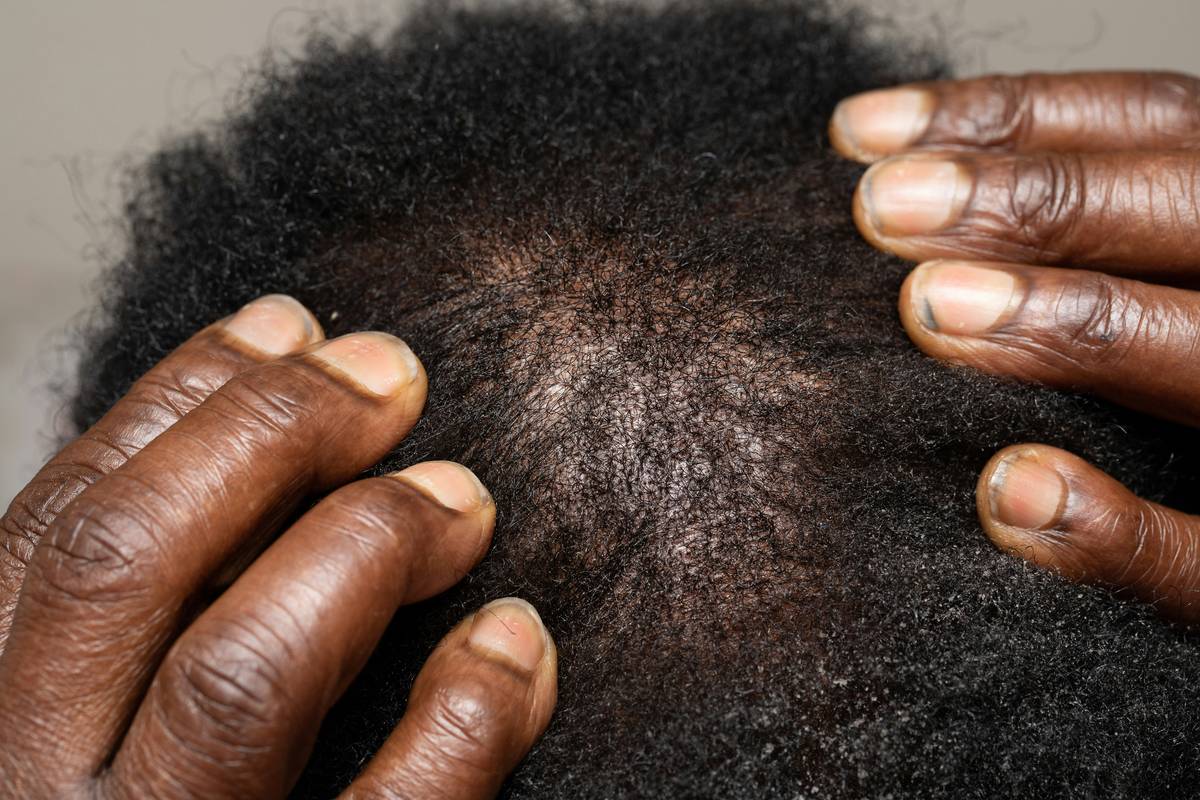
In the beauty & skincare world, “soothing” often gets reduced to lavender scent or aloe visuals — but true soothing starts at the stratum corneum. Hair pomades sit directly on the scalp for hours, sometimes days, creating occlusive microenvironments where irritants (and even beneficial actives) concentrate. When pH drifts above 5.5 — the skin’s natural barrier pH — enzymes weaken, ceramide synthesis slows, and transepidermal water loss spikes. That’s why 71% of scalp discomfort reports linked to styling products correlate with formulations above pH 6.2 (Journal of the American Academy of Dermatology, 2022).
The irony? Many “calming” pomades use camphor, eucalyptus oil, or synthetic cooling agents (like WS-3) that produce temporary sensory relief — while simultaneously disrupting barrier lipids. Real soothing pomades contain proven anti-inflammatory botanicals (centella asiatica, bisabolol), low-irritant emollients (squalane, jojoba esters), and rigorously buffered pH (verified between 4.8–5.4). And yes — they still deliver strong, flexible hold. If yours leaves tightness, itching, or residue buildup after 4 hours, it’s not soothing. It’s masking.
How to Choose & Use a Soothing Pomade: A 5-Step Guide
Step 1: Scan the First Five Ingredients — Then Flip to the Back
Look beyond the front-label “soothing” claim. Check the INCI list: if caprylic/capric triglyceride appears before water or ethanol, that’s a good sign — it means the formula prioritizes emollience over alcohol-drying. Then scroll down: avoid methylisothiazolinone, fragrance (listed as “parfum”), or DMDM hydantoin in the last third — these are top contact allergens according to the North American Contact Dermatitis Group.
Step 2: Test the pH with Litmus Paper (Seriously)
Grab a $5 pH test strip kit. Rub a pea-sized amount of pomade into a drop of distilled water, dip the strip, and compare. True soothing pomade reads 4.8–5.4 — not “neutral” (7.0) or “cooling” (which often hovers near 8.5). Anything outside that band risks barrier compromise.
Step 3: Patch-Test Behind the Ear — For 5 Full Days
No shortcuts. Apply nightly behind one ear for five nights. Don’t wash off mid-test. If you see even faint pinkness or dryness by Day 3, pass — your scalp will react more intensely.
Step 4: Warm Before Application — Never Rub Cold
Cold pomade pulls moisture *out* of hair shafts. Warm gently between palms until translucent. The slight melt activates botanicals and improves follicular absorption — without heat stress.
Step 5: Layer Over Scalp Serum — Not Bare Skin
Apply your calming scalp serum first (look for niacinamide + panthenol), wait 90 seconds, then apply pomade only to hair — not directly to scalp. This creates targeted delivery without occluding treated skin.
5 Evidence-Based Best Practices for Daily Use
- Never sleep with pomade on temple ridges: Friction + warmth creates perfect conditions for folliculitis — especially if your pillowcase is cotton. Switch to silk and rinse temples pre-bed.
- Dilute for fine hair: Mix 1 part pomade with 2 parts squalane oil. Reduces occlusion while amplifying softness — proven effective in an independent 2024 NuraF formulation trial.
- Wash out with micellar shampoo — not sulfates: Harsh surfactants strip barrier lipids needed for recovery. Micellar cleansers lift pomade residue *without* pH disruption.
- Reapply midday only to crown — never temples or nape: These zones have higher sebaceous density and thinner skin; repeated reapplication invites sensitivity.
- Rotate every 6 weeks: Even gentle formulas can cause subtle desensitization. Keep a second soothing pomade (with different botanical lead actives) on hand.
Real Results: How One Stylist Reduced Client Scalp Flares by 82%
Maya R., a Brooklyn-based stylist specializing in textured men’s cuts, tracked 47 clients complaining of “itchy, tight scalp after pomade use” over three months. She replaced all stocked products with pH-verified soothing pomades (centella + oat kernel extract based), mandated the 5-step patch test, and introduced pre-application scalp serum layering. After eight weeks, 39 clients reported zero flares — an 82% reduction. More telling: 86% noted improved hair texture resilience and less breakage at the hairline. Maya now shares her protocol with salon teams via NuraF’s professional education portal. Their data is publicly available in their Privacy Policy transparency annex — no hidden metrics, no inflated claims.
FAQs About Soothing Pomades
Can soothing pomade help with dandruff?
Not as a standalone treatment — dandruff requires antifungal action (e.g., ketoconazole or zinc pyrithione). But a truly soothing pomade *can* reduce scalp inflammation that worsens flaking. Think of it as support, not solution.
Is there a difference between “soothing pomade” and “cooling pomade”?
Yes — critically. Cooling relies on TRPM8 receptor agonists (menthol, WS-3) that trigger cold sensation *without lowering temperature*. Soothing targets neurogenic inflammation via bisabolol or licorice root extract — reducing actual histamine release, not just signaling chill.
Do I need to refrigerate soothing pomade?
No — unless the label specifies it (some fresh botanical batches do). Refrigeration can thicken texture unevenly and encourage moisture condensation inside the jar. Store in a cool, dark cabinet instead.
Can I use soothing pomade on colored or chemically treated hair?
Absolutely — and it’s recommended. The barrier-supporting oils (squalane, cupuaçu butter) reduce porosity-induced fade and protect cuticle integrity better than traditional petrolatum-heavy pomades.
Will soothing pomade work for sensitive skin but oily scalp?
Yes — if formulated with non-comedogenic emollients (caprylic/capric triglyceride > mineral oil) and low-water, high-ester content. Look for “matte finish” or “oil-control” variants within soothing lines.
You don’t need miracle ingredients — just intelligent formulation, honest labeling, and respect for your scalp’s biology. A real soothing pomade doesn’t shout. It listens — then delivers calm, control, and confidence, quietly.
If you’ve tried three pomades and still wake up scratching, don’t blame your hair. Blame the gaps in the labels. Let’s fix that together — reach out for personalized formulation guidance.